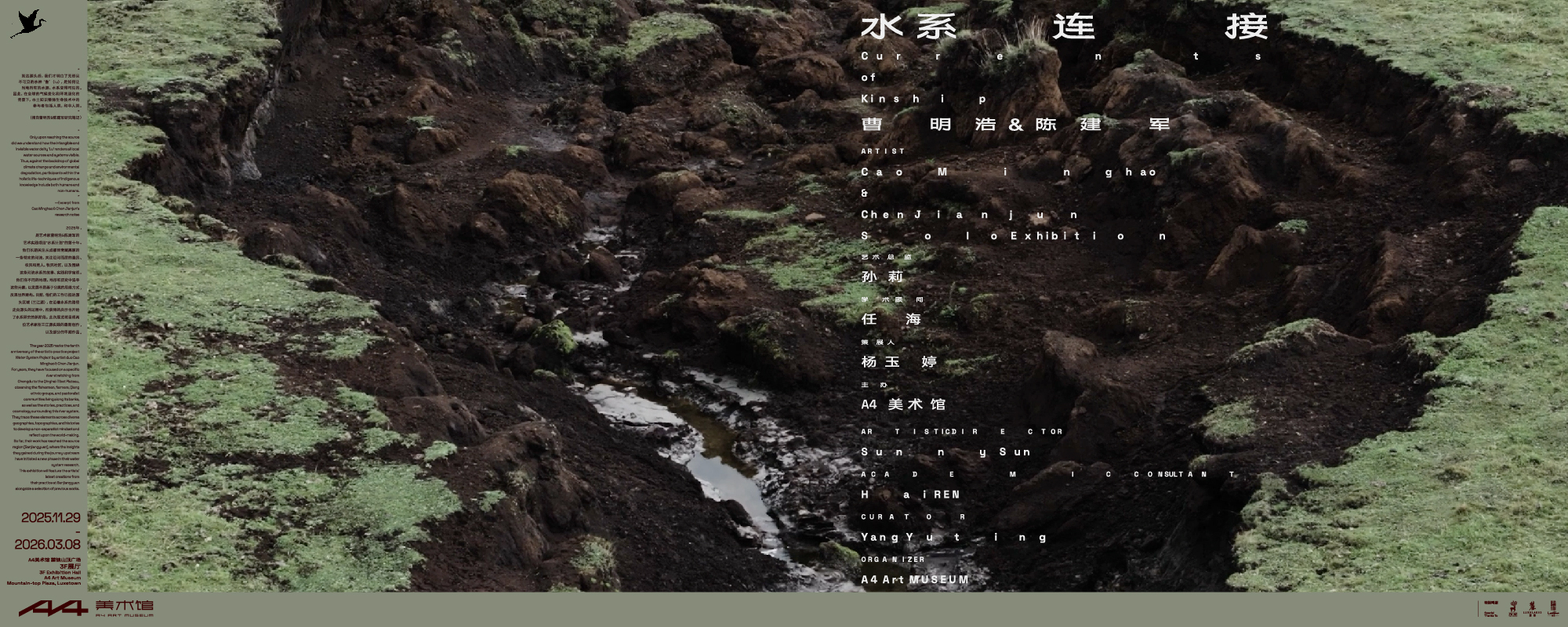
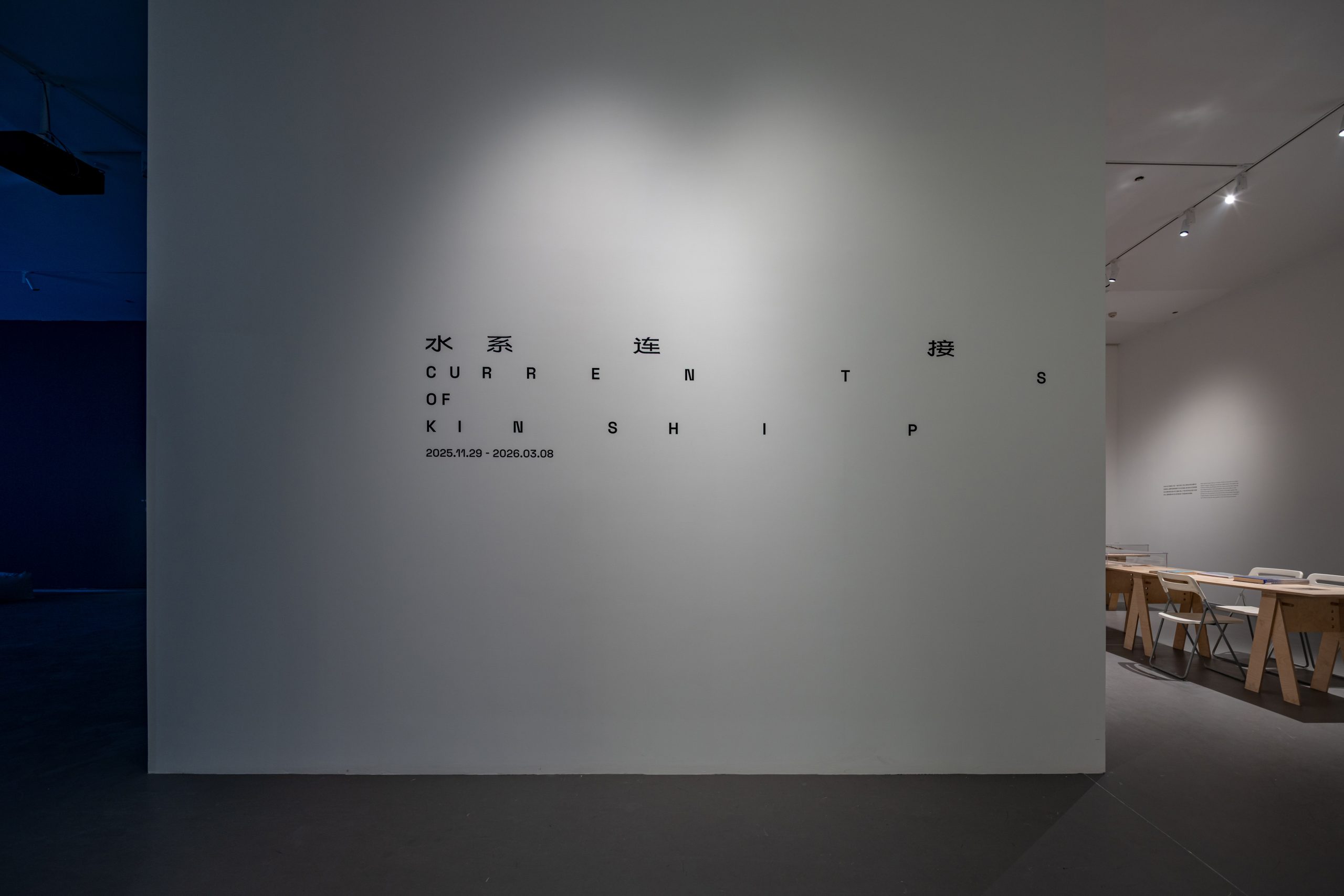
Currents of Kinship
Ren Hai
Water is a fundamental element of the ecosystem. Bodies of water in the headwaters of the Changjiang (Yangtze River) and the Huanghe (Yellow River) exhibit remarkable diversity. These water bodies encompass a wide range of types, including streams, rivers, ponds, lakes, and dams. Additionally, they include fluctuating, amphibious bodies such as wetlands, seasonal lakes, permanent and seasonal springs, and ever changing, weather-related clouds, rains, snows, and glaciers. However, due to global climate change and environmental degradation, the shape and boundary of water bodies undergo constant transformation. This includes the retreat of glaciers and the instability of the water network composed of springs, ponds, lakes, and swamps as the wheel of time turns.
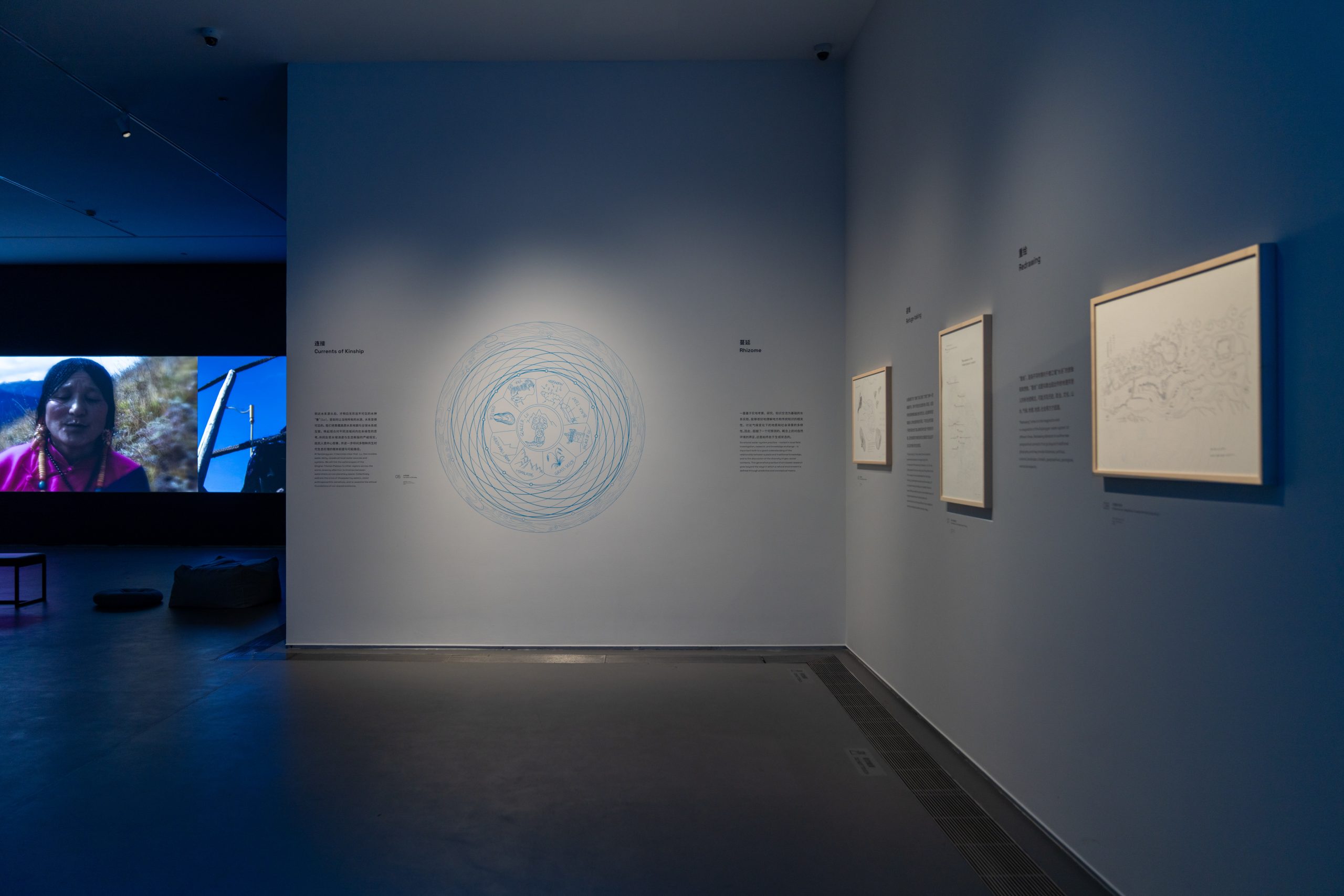
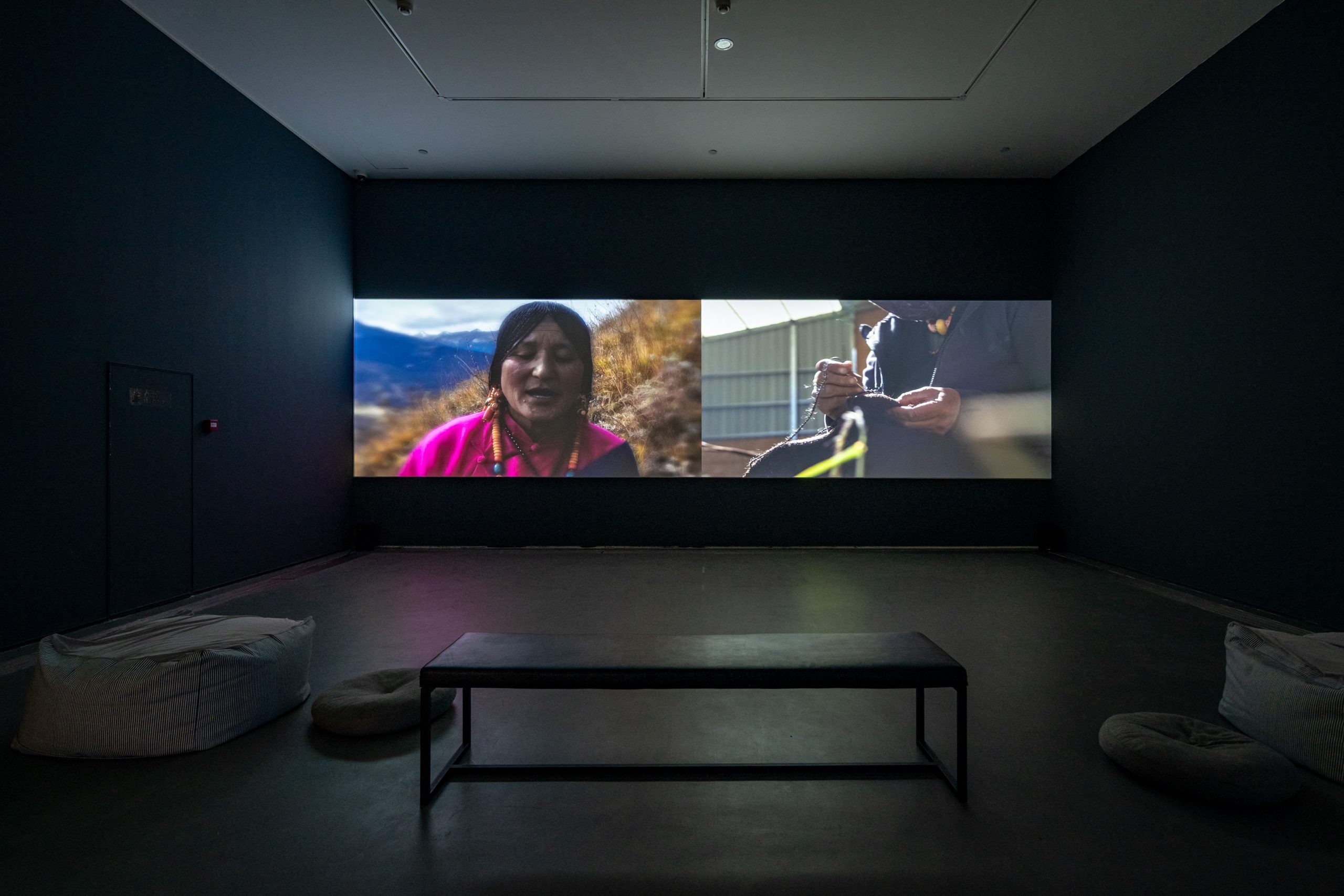
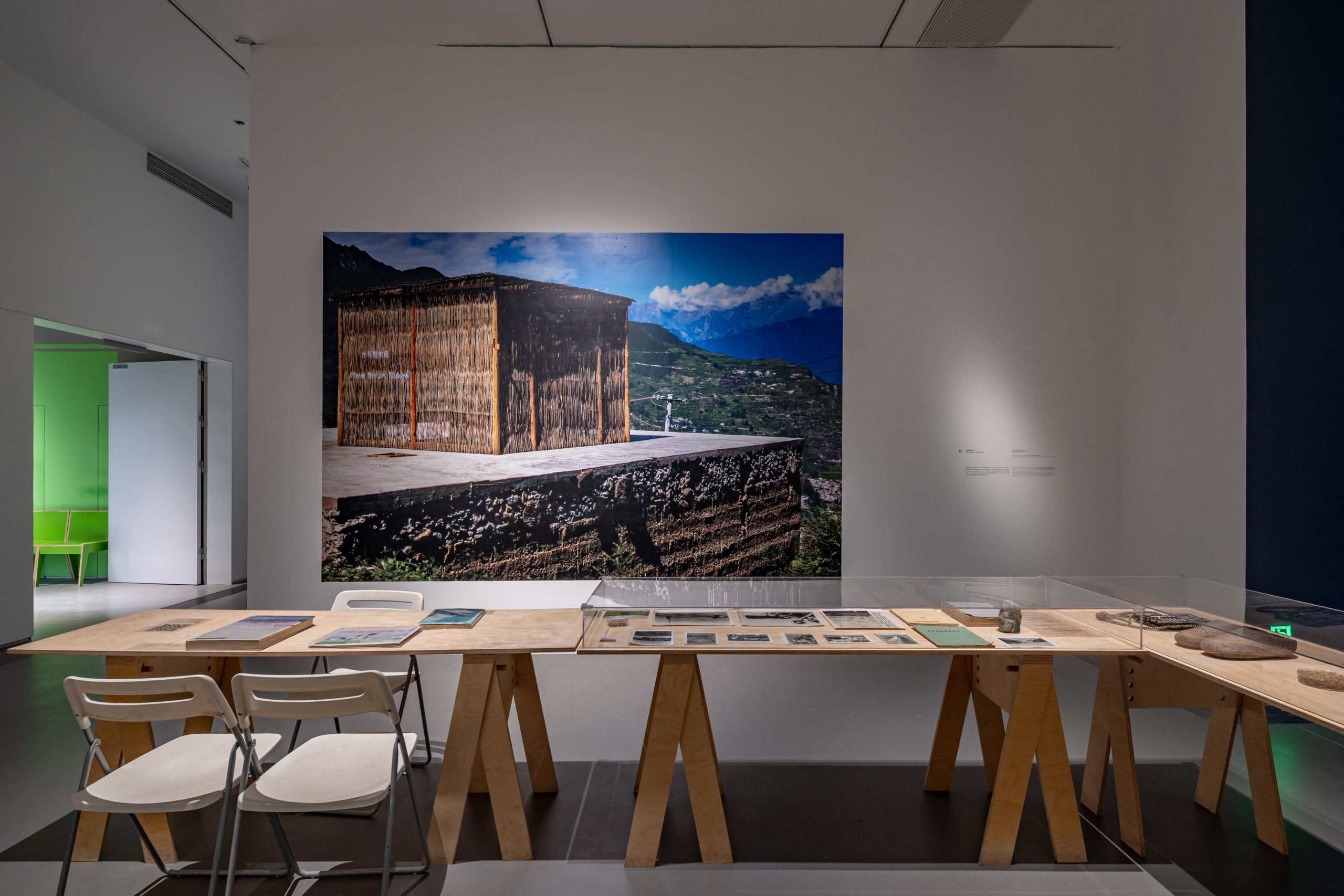
Water serves as a mediator between the enduring interaction between humans and nonhumans. On the Qinghai-Tibetan Plateau, the artists Cao Minghao and Chen Jianjun consistently confront the realities of the multifold world composed of sentient beings and their environment, whether by investigating water-related changes in everyday life, constructing a palace dedicated to a water deity (“Lu Palace”), or establishing a “school of the water system” to make yak products. Through collaboration with other artists, residents, and scholars, the artists do not merely present observable phenomena; rather, they endeavor to reveal what are behind of these phenomena: fundamental issues that are often invisible or overlooked but reflect cosmological and world views. In co-constructing a “Lu Palace,” for example, the artists and their collaborators work together to safeguard water sources. This work acknowledges and recognizes an inseparable connection between water source protection and place-based cognitions. Furthermore, the artwork demonstrates that building is intertwined with thinking and dwelling by establishing a series of relationships between wisdom and technology, water sources and water systems, and between plasticity and resilience. Although art may not directly resolve problems caused by climate change and environmental degradation, it remains an indispensable tool for aesthetic exploration. Not only does art enable us to comprehend the diverse worlds of living beings, but it also inspires us to critically contemplate the meanings of inhabiting in the more-than-human Anthropocene.