Han Zhitong’s social media profile picture actually looks quite a lot like him: slightly curly hair, a pair of round-square glasses, long narrow eyes with single eyelids, and a rather dark complexion. I usually call him Xiao Han.
Xiao Han is from Weifang, Shandong. Eleven years ago, he came to Sichuan for university. At first, he studied medicine, but he found that he simply could not bring himself to kill laboratory mice, so he turned to the study of plants and began learning ecology instead. He continued all the way through to a PhD, and this year, he has just graduated.
I asked him, “How did you start making art?” He said, “Because of them.”
They (and there are actually many more) are a group of friends Xiao Han met who make art in different ways—painting, weaving, toys, music, and more. He said that knowing them made making art seem possible. He once visited a friend’s watercolor studio, and, as he recalled, “She said, ‘You should give it a try.’ I was afraid I wouldn’t paint well, but her brushes and paper didn’t cost me anything, so why not? Just paint, scribble around, like that.” The community formed by these friends encouraged Xiao Han to begin creating. Since 2022, he has gradually started to make art more consciously.
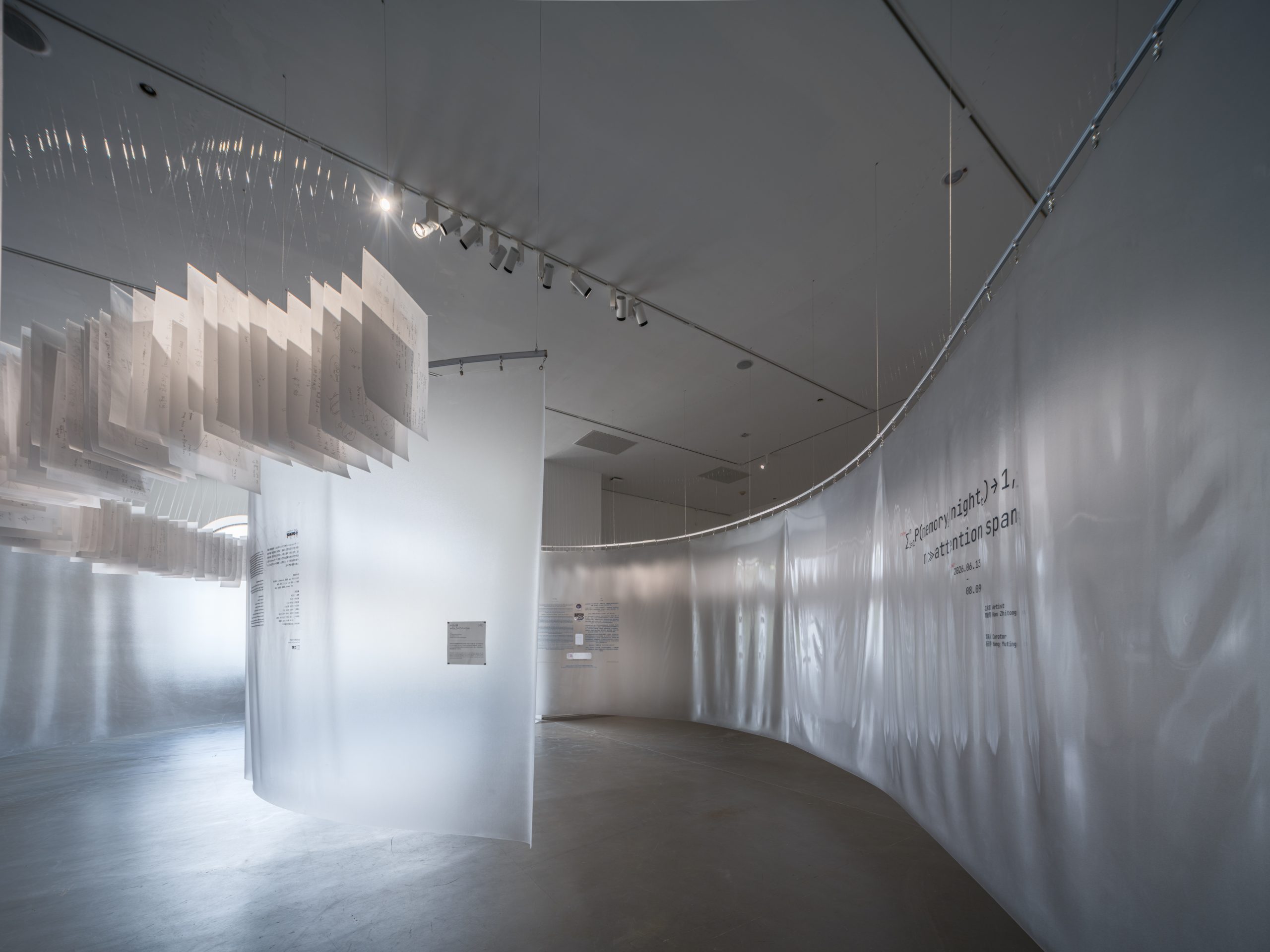
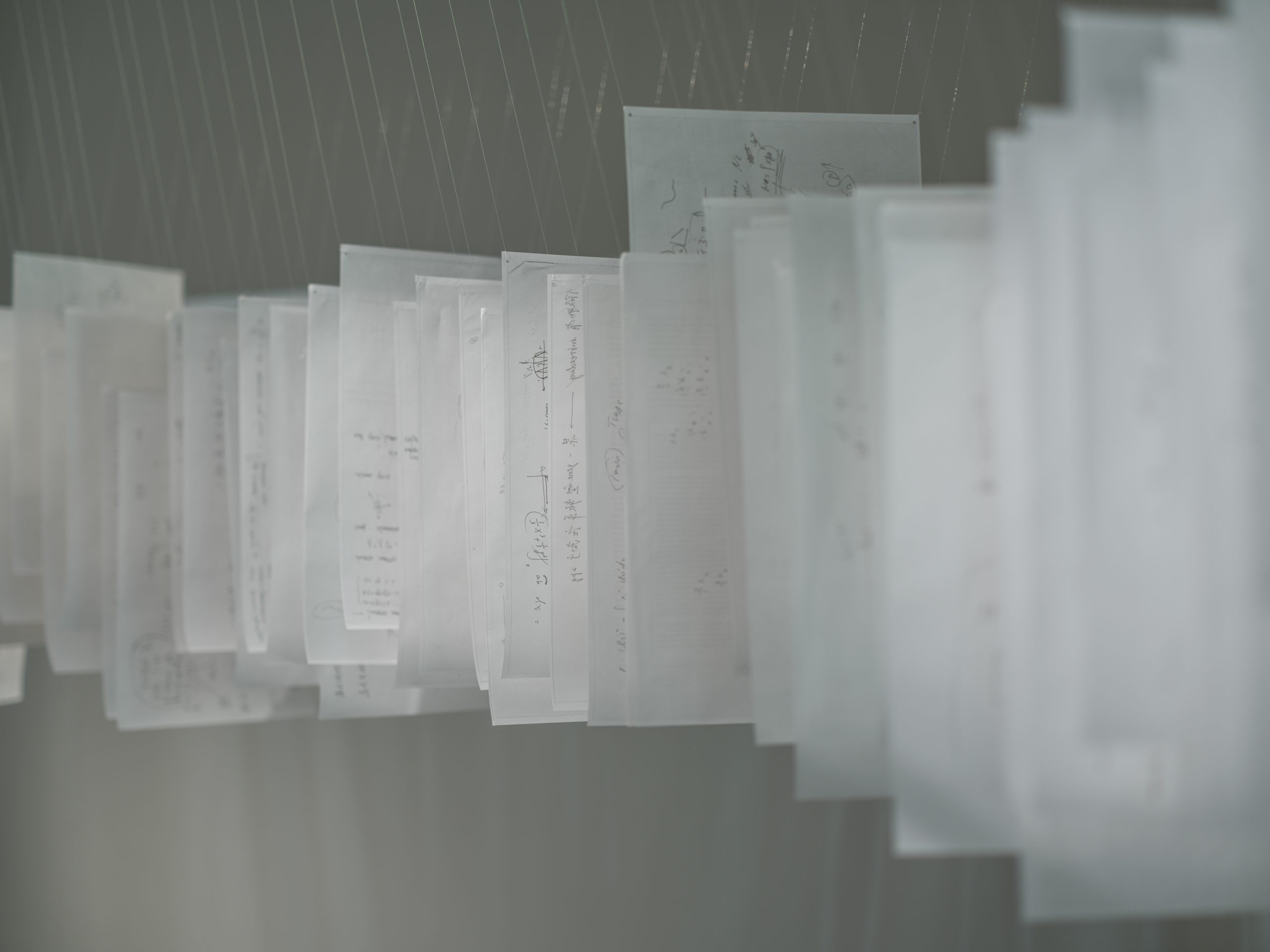
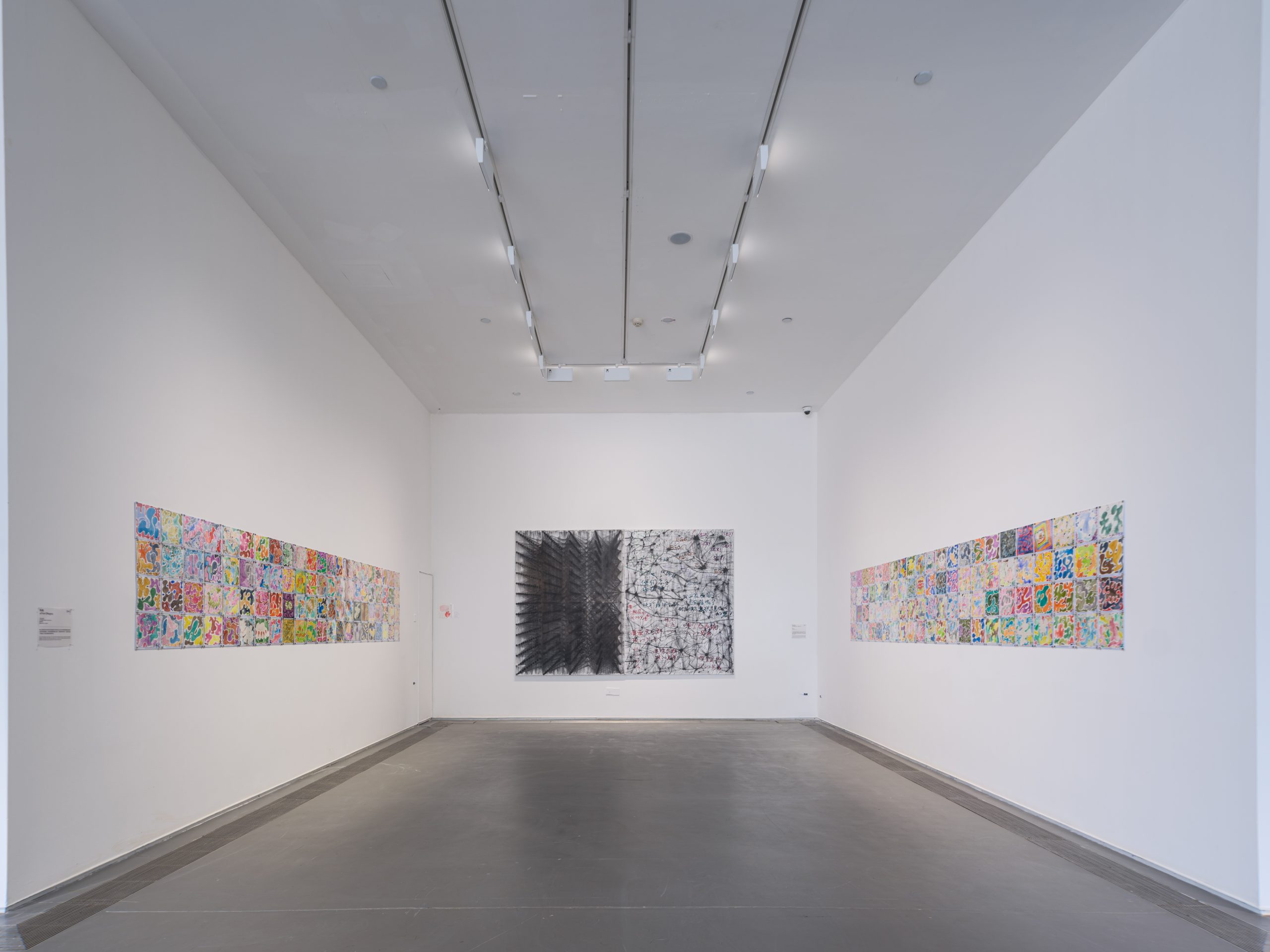
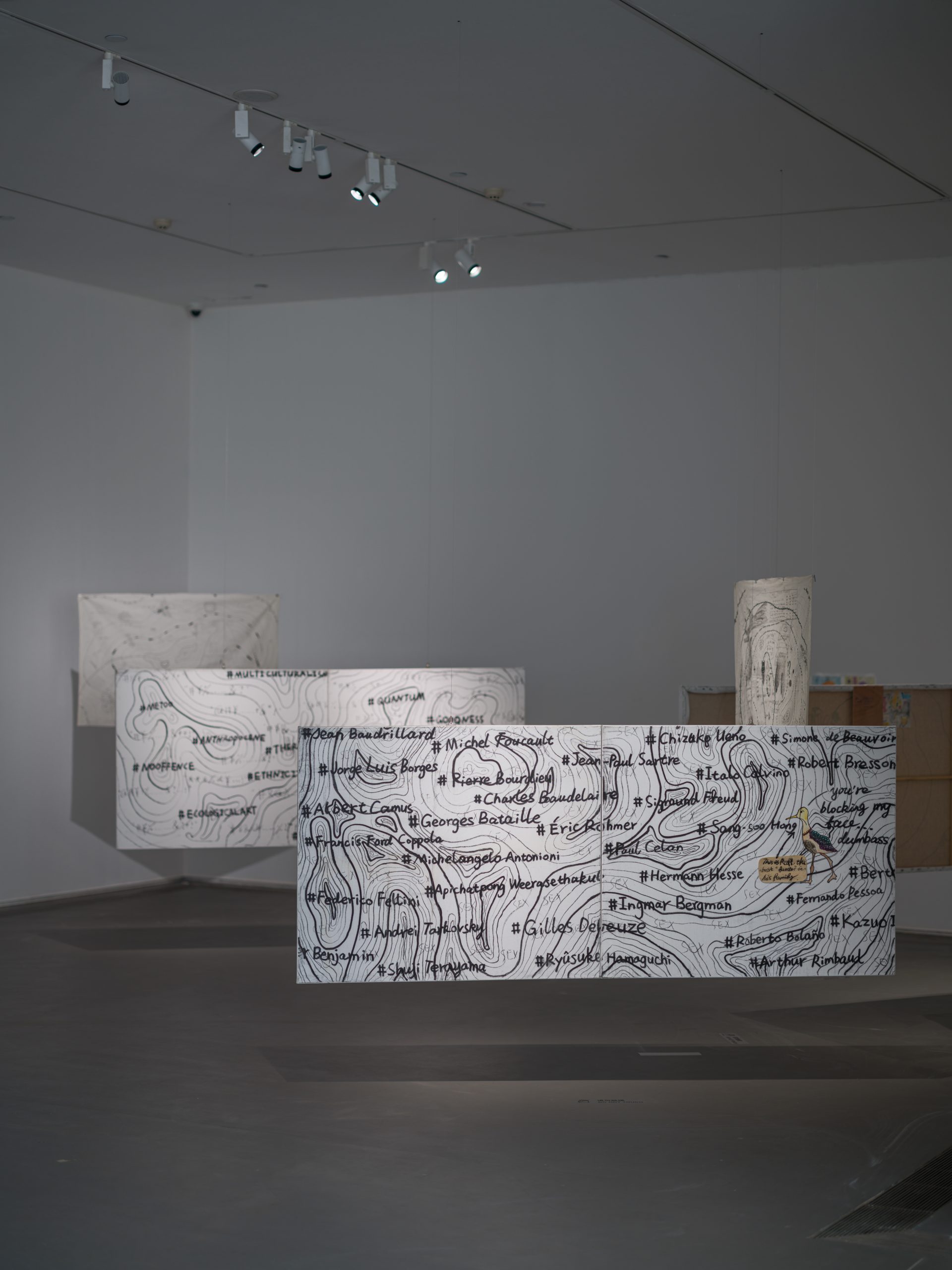
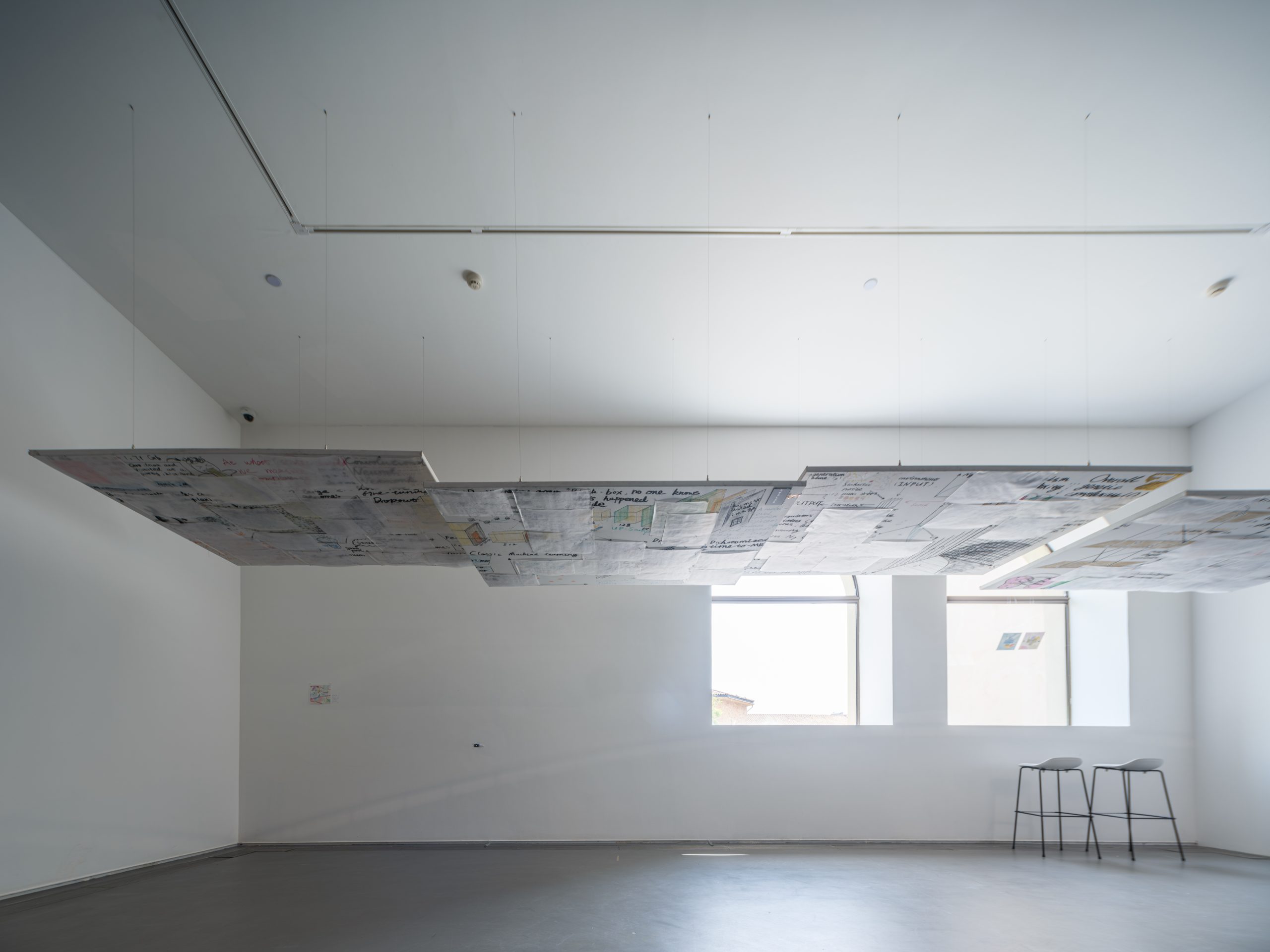
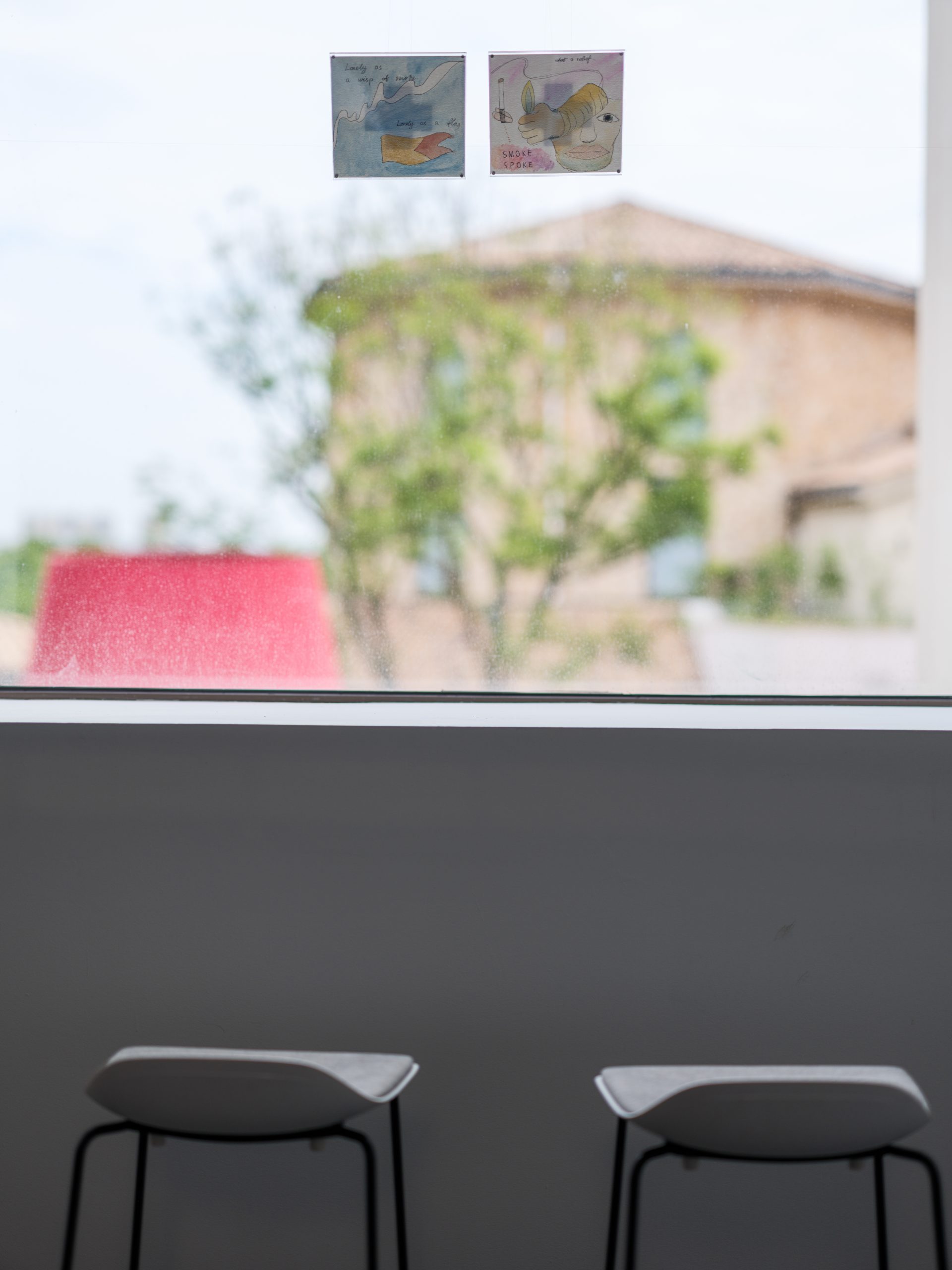
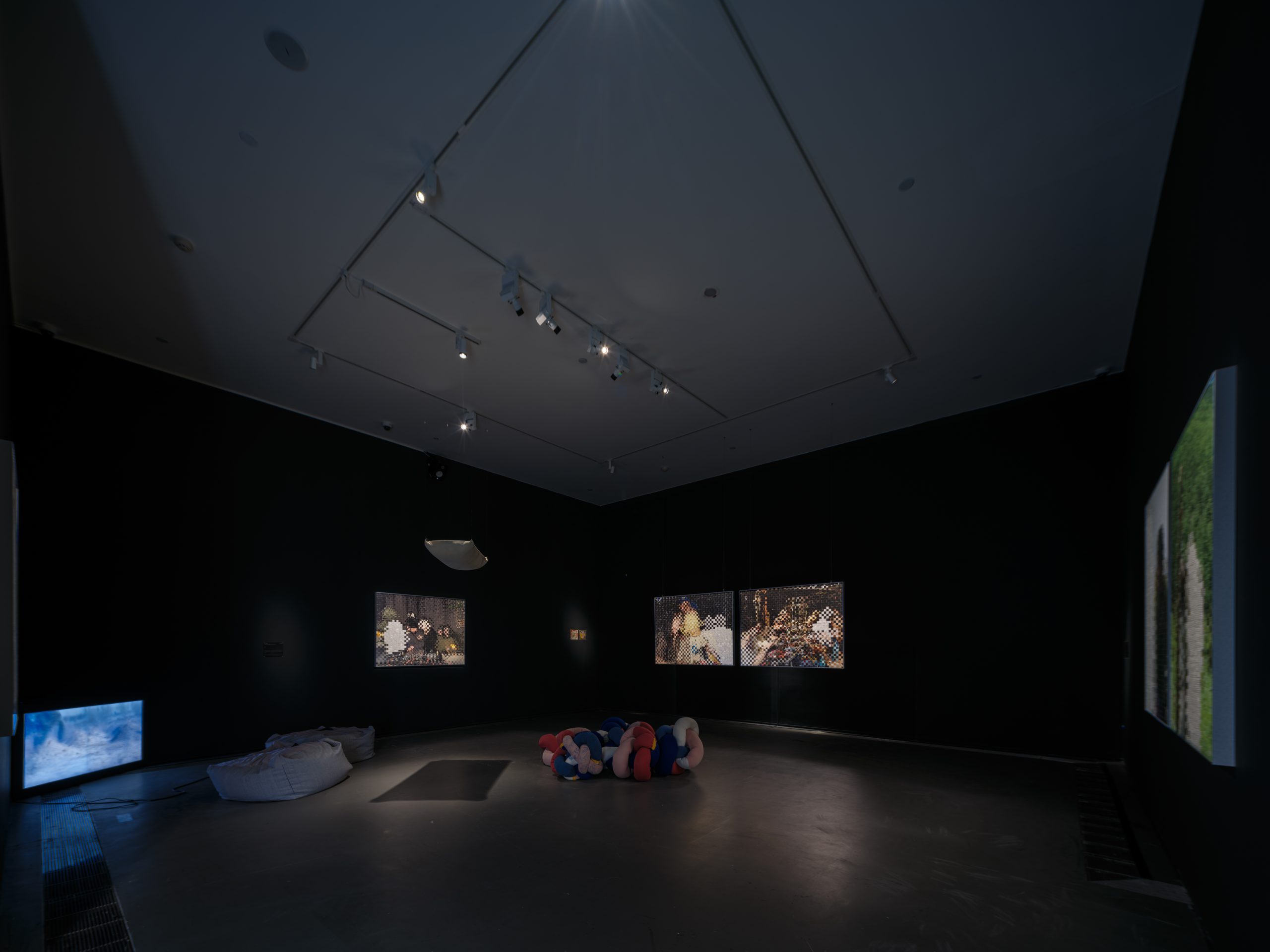
In his scientific research, species, ecosystems, and data need to be classified, named, and explained. But in his artworks, things that have not yet been organized, cannot be defined, or still remain unclear are left as they are. They are less like conclusions and more like questions; less like answers and more like notes from observation. They come from science, but they also come from everyday life. They are Xiao Han’s small thoughts, sudden flashes of inspiration, moments of emotion, and traces left behind after years of observing the world. And together, they have become the exhibition you see today.
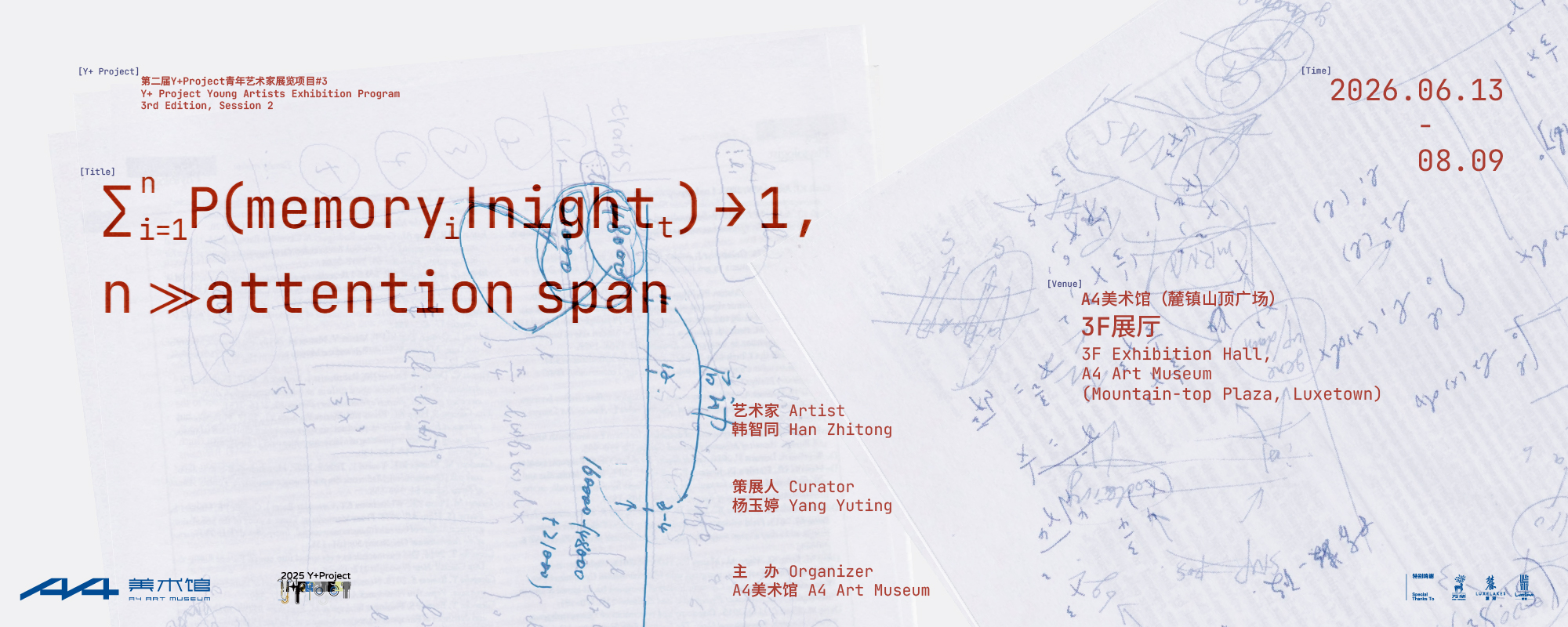
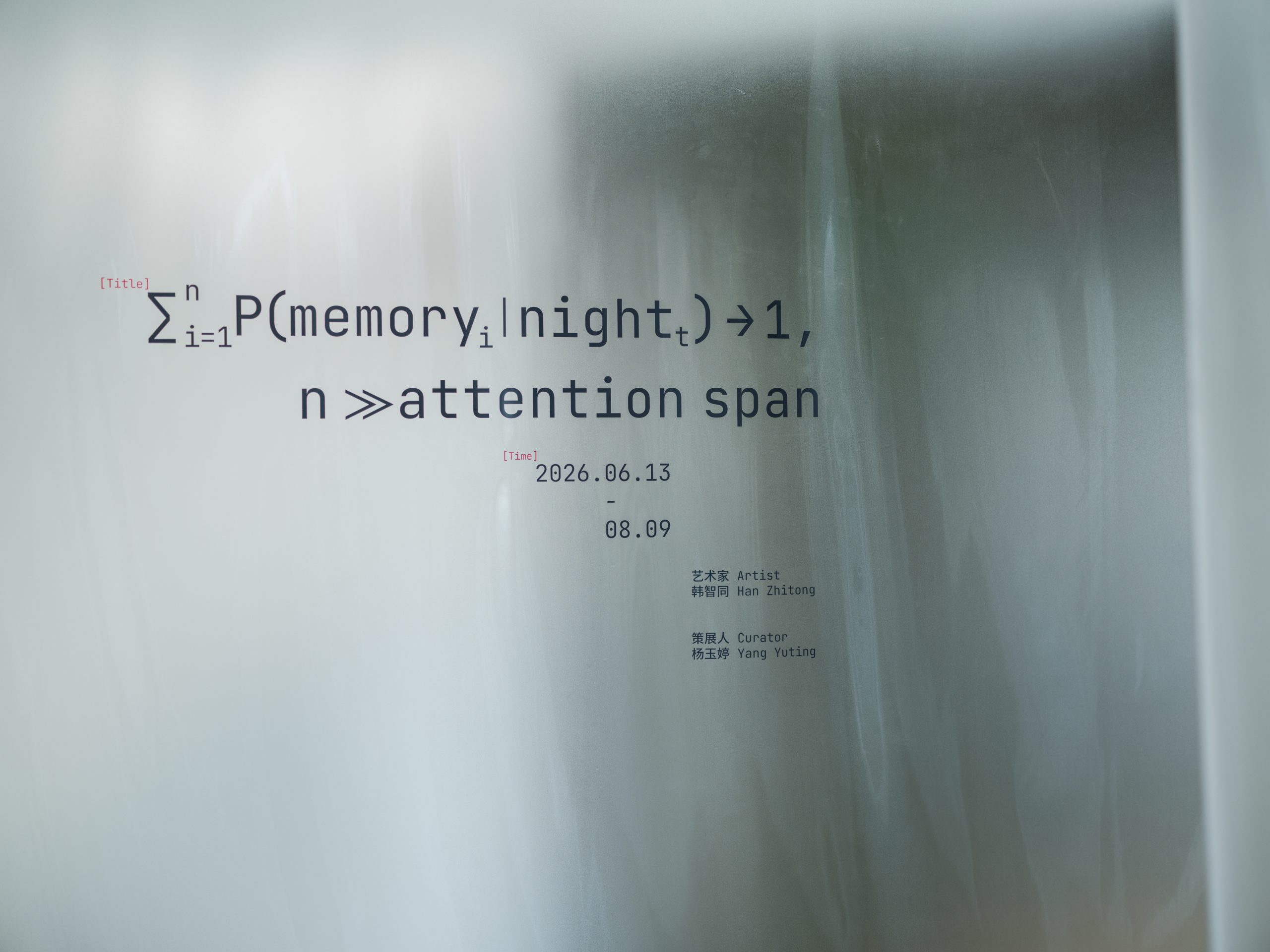
Many visitors, myself included, may not understand the exhibition title. But that sense of unfamiliarity also reflects the distance between Xiao Han’s scientific research and the public. The title borrows the form of a Bayes’ rule often used in ecological research. It is not a real statistical formula, but rather a playful way of naming something: as the nights grow longer, memories and dreams seem to mix together until it becomes difficult to tell whether they come from reality or imagination. Many of the works in this exhibition were also made during the nights, after Xiao Han had finished his work during the day.
We also talked about an interesting question: “What do art and science have in common?”
Xiao Han said, “Science is useless(1), and art is useless too. Human beings may be the only animals that spend energy not for survival or reproduction, but simply out of a desire to explore both their inner world and the world around them.”
(1) Here, “science is useless” refers to science as a search for truth—the exploration of essence, patterns, and the nature of the world.
Yuting Yang
*This exhibition is presented as part of the A4 Art Museum Y+Project Young Artists Exhibition Program.