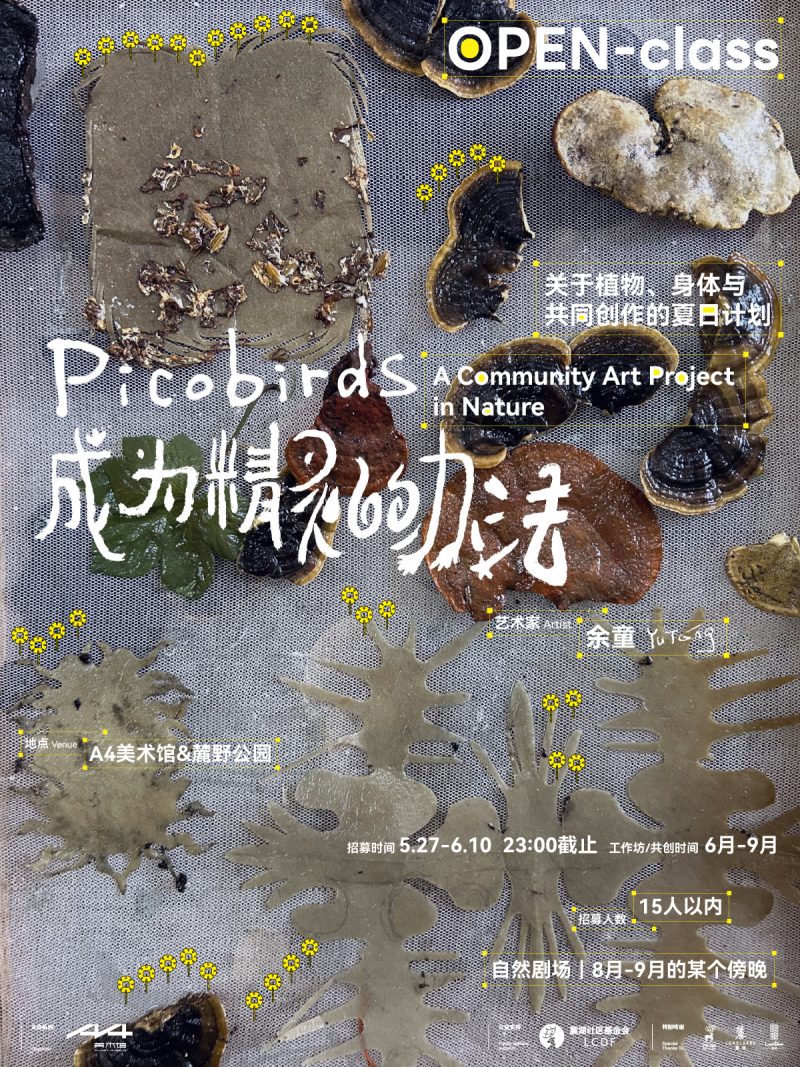
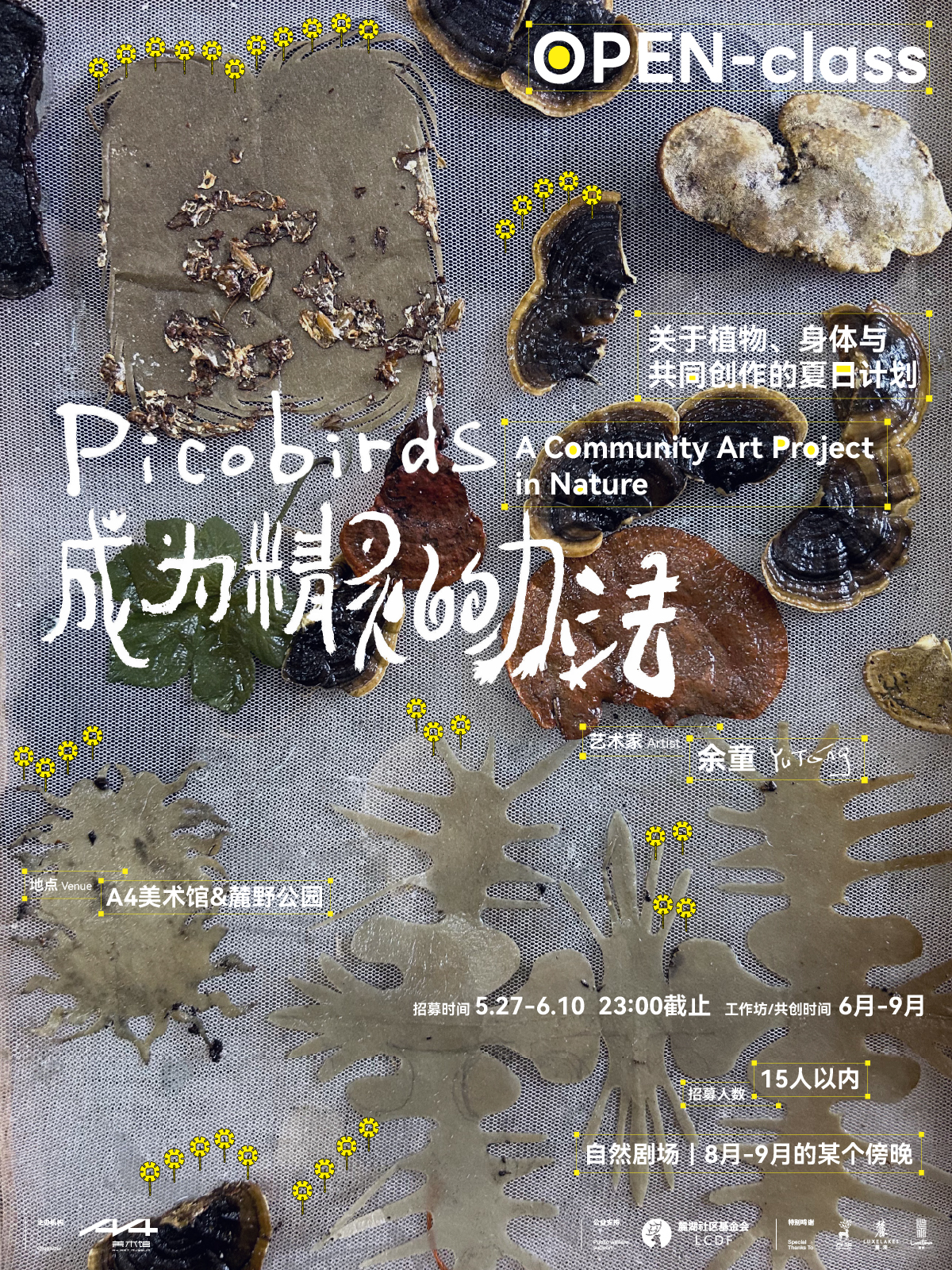
Throughout this summer season, we invite you to transform your physical body into a sensory receptor: practicing the act of being touched and permeated by flora and the natural world. Allow yourself to be regulated by them, shifting your own form, and finding “Ways to Become an Elf” alongside participating artist YU Tong!
This summer initiative is not a structured academic course, nor does it yield predefined answers. You do not need to “understand art,” nor are you expected to arrive with a specialised background. All that is required is a willingness to engage in manual labour, to sit intimately alongside the grass, to remain curious about the metamorphic state of becoming an elf, to re-sensitise your body, to re-interpret nature, and to re-encounter unfamiliar human peers. If this resonates, come join us; perhaps… perhaps we can collectively discover what it takes to become an elf.
Pico Birds: On Becoming an Elf
Convening Artist: YU Tong
“I have always felt that an ‘elf’ is not some creature confined to mythology. Rather, it represents a state of being attained through a continuous succession of concrete acts—much like a friend of mine who once chanted ‘Coca-Cola’ as a personal ritualistic mantra to honour their beliefs, leaping with joy at the sight of a blue flame in a dream…
Or consider someone who stays in the woods for so long that they begin to re-smell the scents of vegetation, distinguish between subtle variations in leaves, lose their synchronisation with urban clocks, converse with plants, or whisper words of gratitude to the open air when picking up a beautiful stone. They treat dogs and cats as true equals, trying to perceive the world through their sensory parameters… It feels as though certain rigid constructs are slowly loosening within the body.
Last summer, I lived for a period within an old, forest-enveloped estate in Shanghai. I was constantly struck by a peculiar sensation that this World War II-era building was leaving me messages in its own distinct vernacular.
Sometimes at midnight, sometimes at midday, I would hear the distant whistle of ships drifting across the river surface. Cormorants and ‘Master Night’ (night herons) would settle into the cypresses flanking the stream to sleep, punctuated by occasional wing-flaps and low calls. Cats shrouded in the dark would suddenly erupt into territorial squabbles, while exhausted death’s-head hawkmoths dully beat against the glass windowpanes. Someone would be cooking in the kitchen under a dim light, the East Asian rainy season wind carrying a humid, earthy scent. Someone would just return from the forest, leaving muddy footprints patterned across the wooden floorboards. Someone downstairs would softly hum a tune or cough. At four or five in the morning, I might find a piece of bread dropped on the ground, half-nibbled by an unknown visitor…
During that time, it became clear to me that humans are never the masters of nature. ‘I’ simply coexisted there alongside the Boston ivy, the white magnolias, the honeybees, and ‘Master Night.’ No matter how grand the architecture or history, all is eventually blanketed by the rhythmic wax and wane of the changing seasons; continuous, unceasing growth is the only true eternity.
Later, I realised that creation is perhaps not about producing a finished ‘artwork.’ It is found in much more grounded things: dyeing fabrics together, walking, foraging beneath the sun, staring into space in collective silence, or humming unknown melodies. Relationships slowly take root within these shared moments.
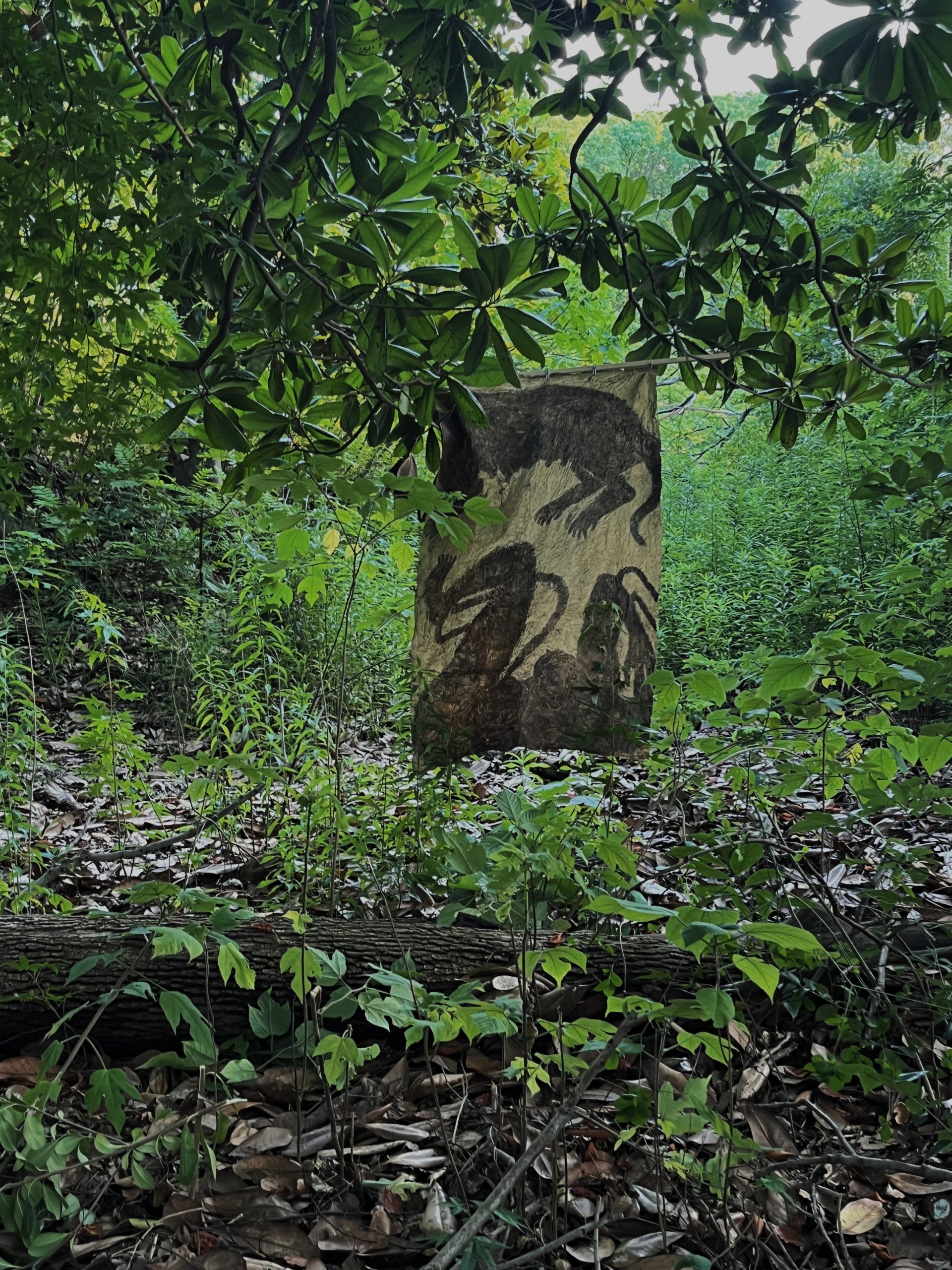
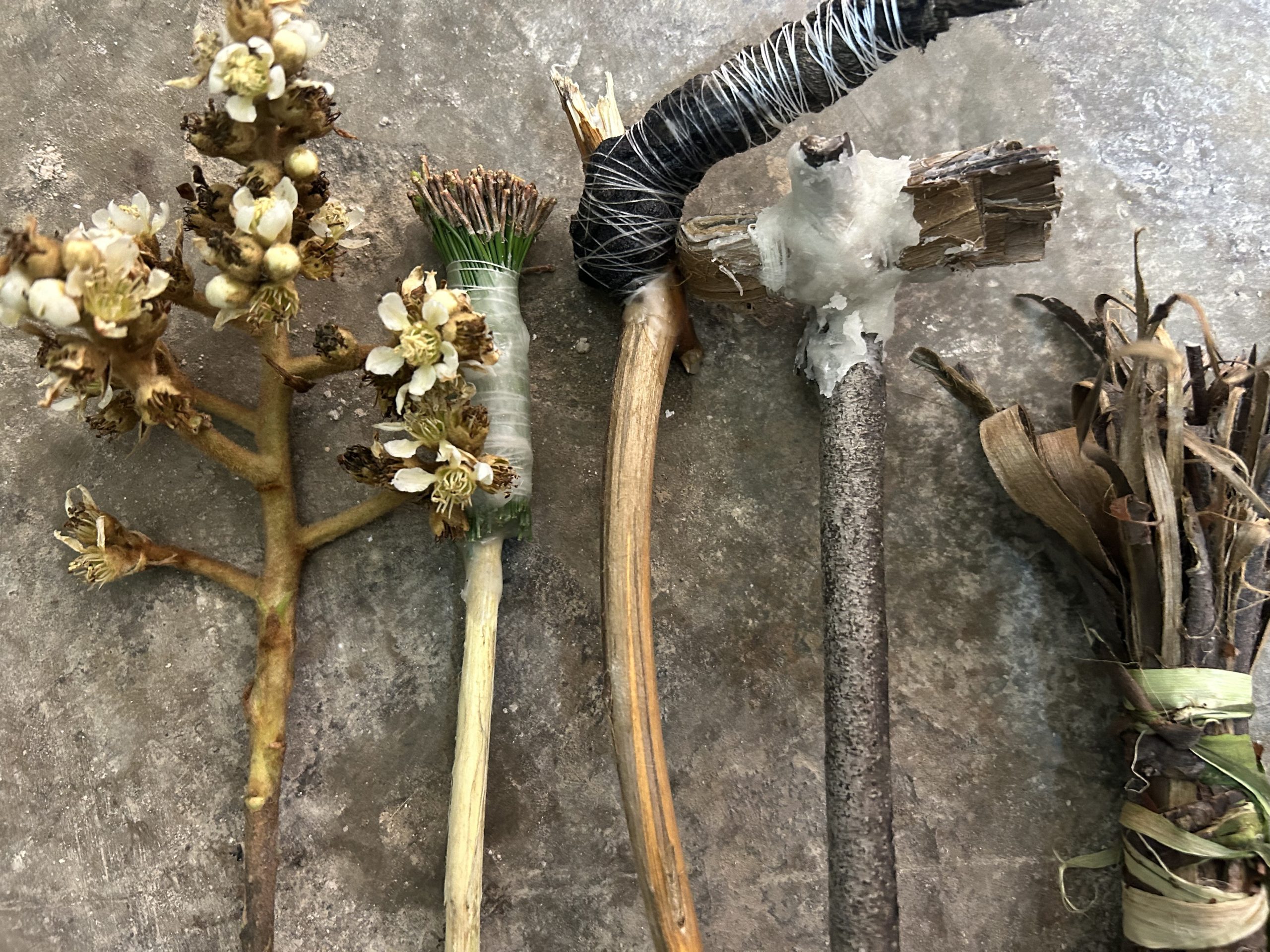
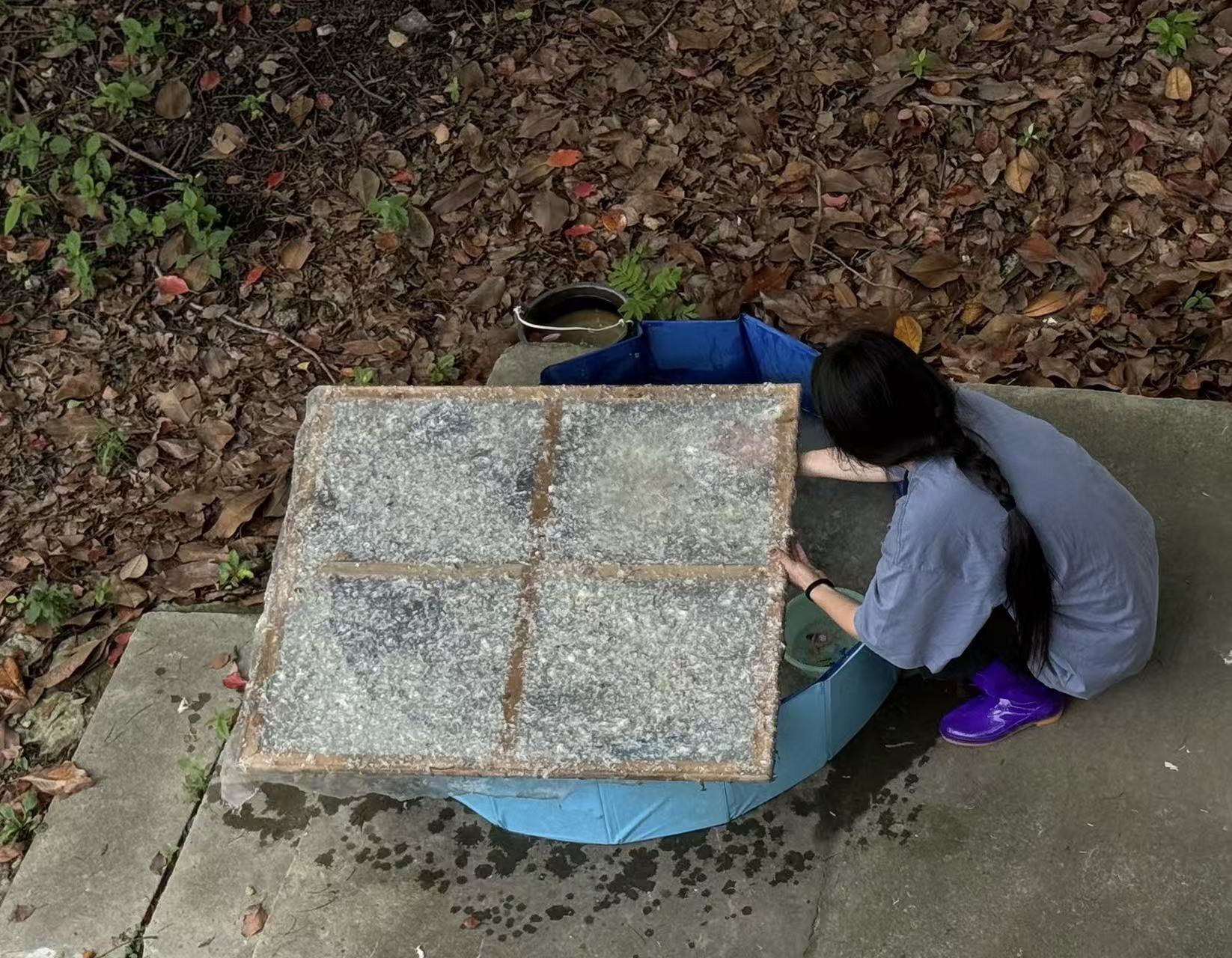
This summer, I want to carry this feeling forward. We will spend an extended period in Luye Park, foraging botanicals, practicing plant-dyeing, engaging in somatic exercises, talking, working, and collectively staging a performance that unfolds entirely within the natural landscape.”
Artist Profile
YU Tong
Graduated from the Department of Traditional Chinese Painting at the Sichuan Fine Arts Institute. She has participated in the Sichuan Fine Arts Institute Young Artist Residency Program, the Sansha Residency Program in Kuqa, Xinjiang, the A4 International Artist Residency Program, and the O’Kids International Children’s Art Festival at the Yuan Art Museum. She currently lives and works in Chongqing, China. Her practice focuses on and operates within personal systems built beneath the laws of nature. Her creations explore the connectivity between disparate elements, spanning natural material painting, ecological installations, and slow fashion. By emphasising the production process and lived biological experiences, she manifests native nature, mysticism, incidental occurrences, and personal order into a reality that can be actively joined, understood, and calibrated.
Program Details & How to Apply
Timeline:
Recruitment Period: 5.28 – 6.11 (Closing strictly at 23:00)
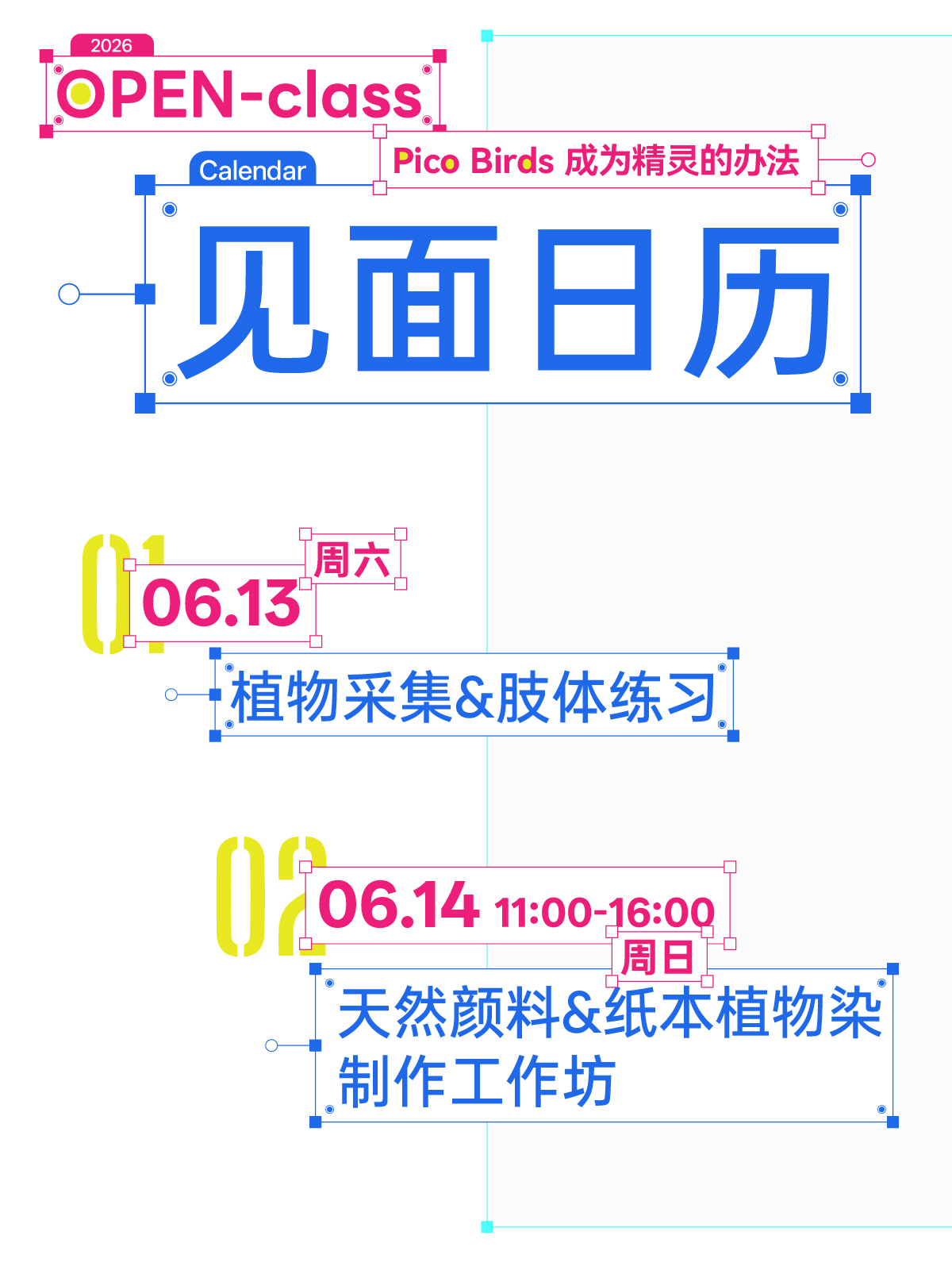
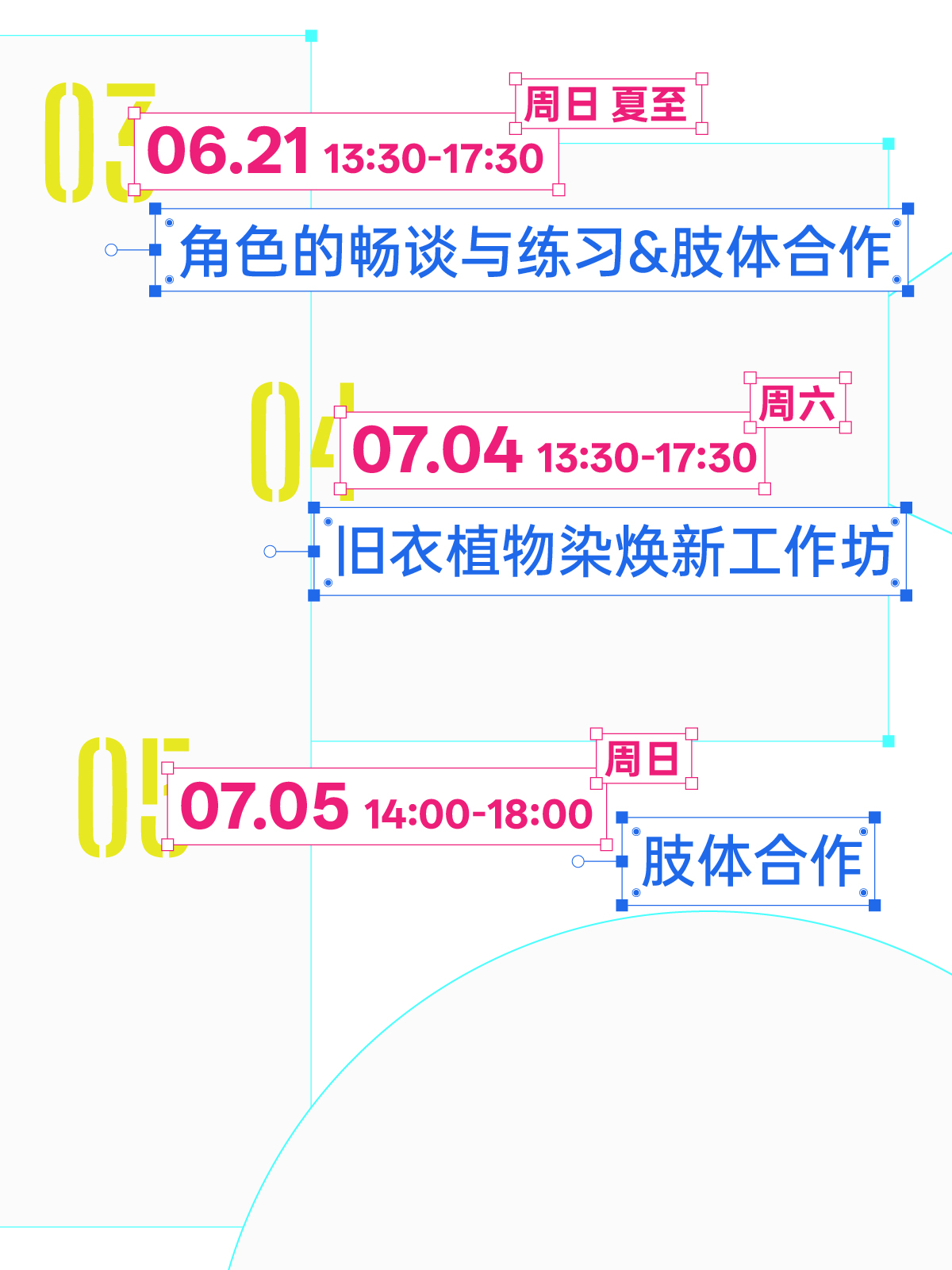
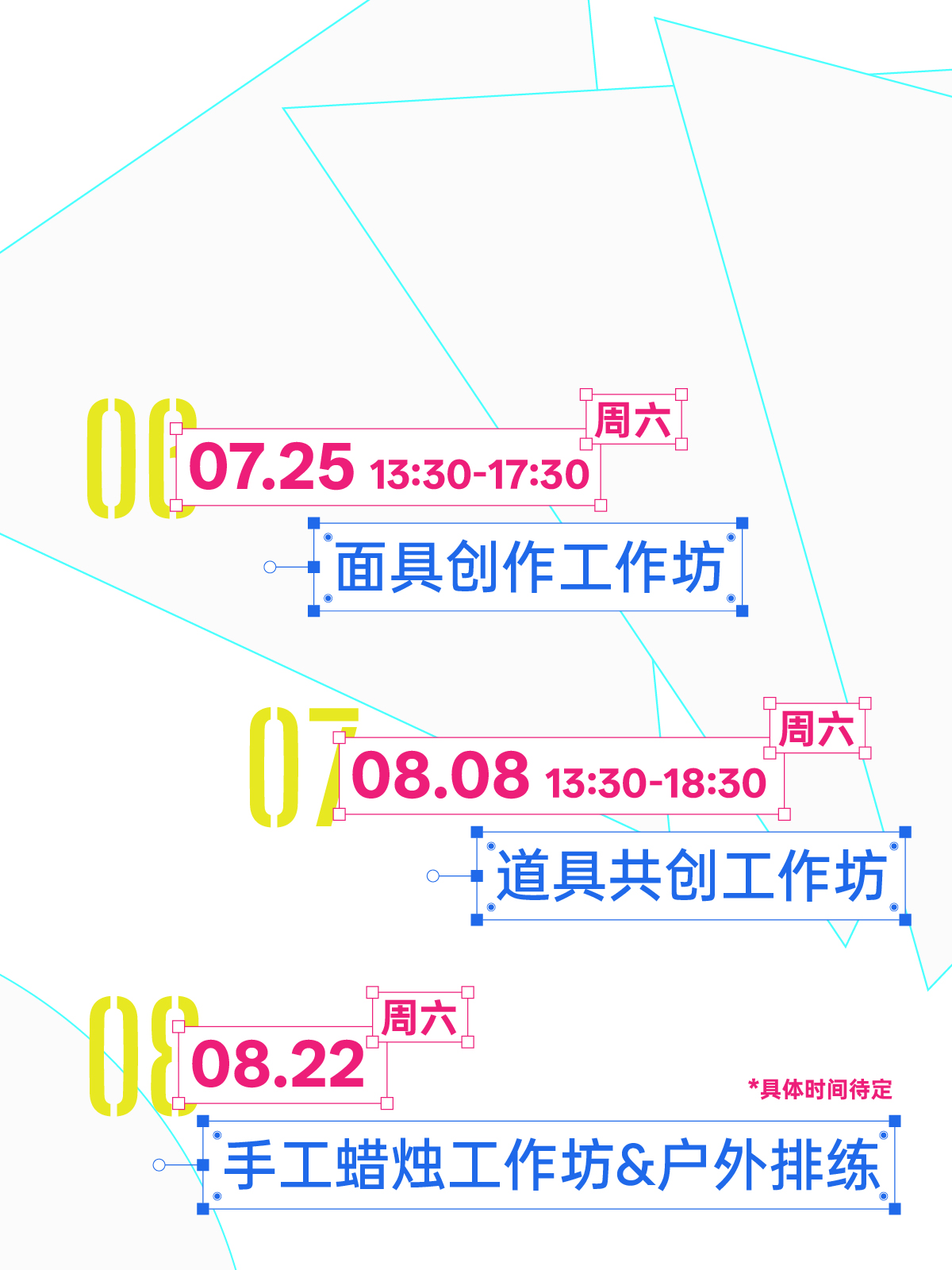
Workshop & Co-creation Sessions: 2026.6 – 2026.9 (Please refer to the upcoming “Meet-up Calendar” for detailed schedules)
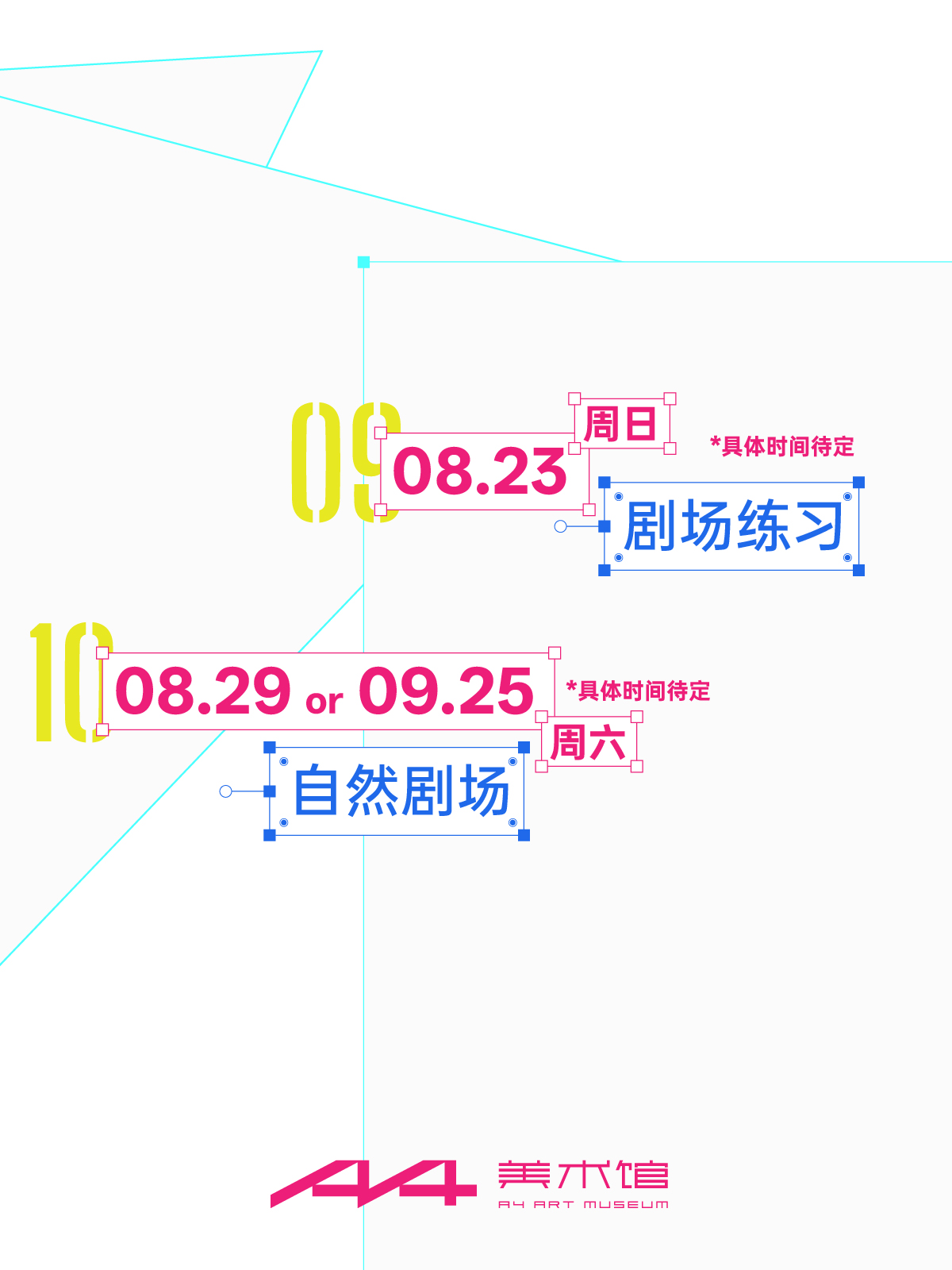
Natural Theater: Staged during an evening between August and September at Luye Park.
Participant Criteria:
1. Applicants must commit to the full duration of the project, including all workshops, rehearsals, and the final theatre performance.
2. Capacity: Limited to 15 participants (Open to individuals aged 18 and above). Due to the sustained physical commitment required, please evaluate your personal physical condition before applying.
3. We welcome individuals with all types of somatic and movement experiences; no specialised artistic or theatrical skills are required.
4. For further registration enquiries, please contact the A4 Public Education Assistant (WeChat ID: A4education) to receive comprehensive project details.
Practice Garden: Living with Botanical Friends
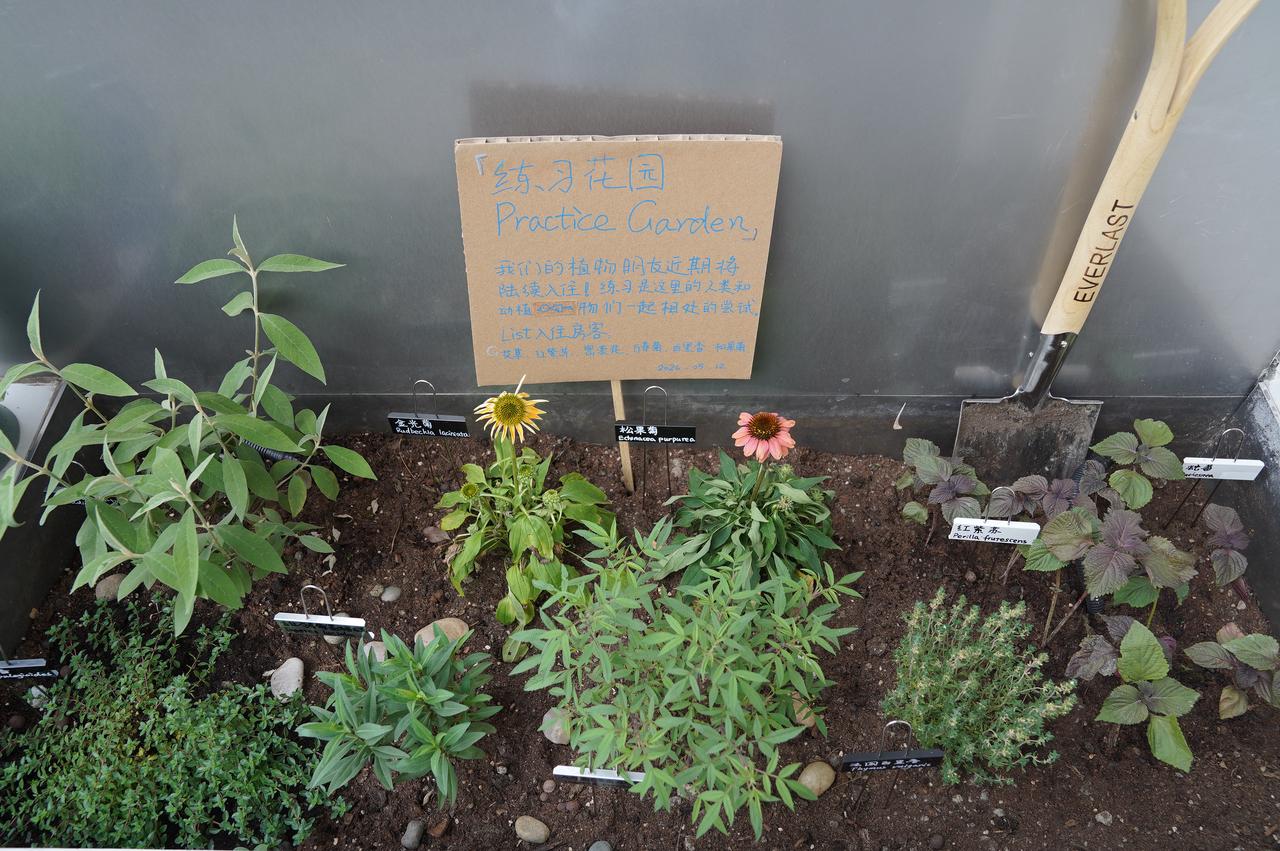
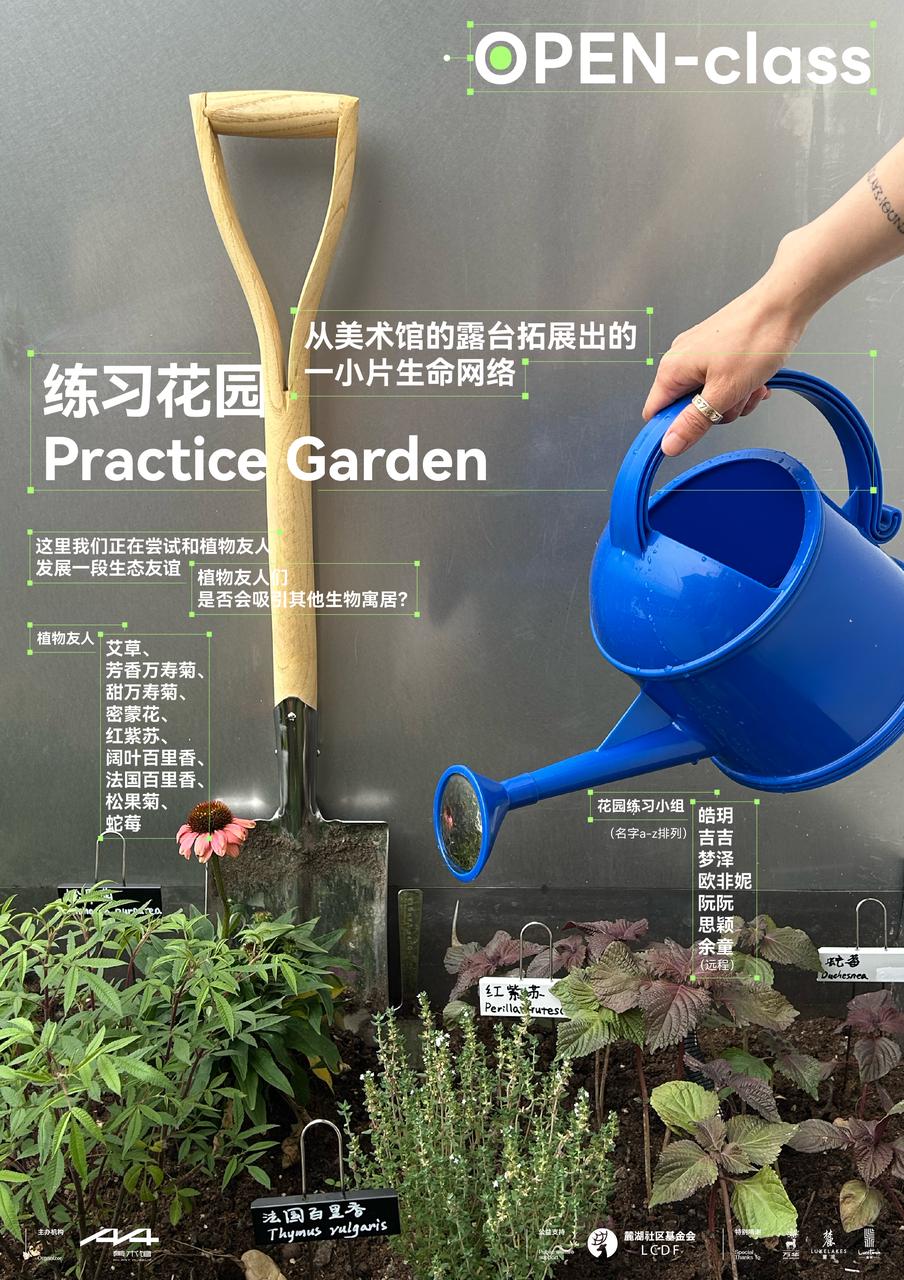
This May, we expanded a small 54cm × 145cm micro-allotment on the museum’s terrace to support multi-species symbiotic ecological planting. The resident flora have established a micro-ecological module that seamlessly integrates medicinal herbs, pollination attractions, aromatic insect repellents, ground cover protection, and insect habitats. We have assembled a dedicated cohort of human practitioners within the museum to learn planting, observation, and mutual care, hoping to cultivate an ecological friendship with our resident botanical companions.
Since the inception of the “Practice Garden,” our first daily task upon arriving at the museum has shifted to exchanging greetings with our plant friends. Sensing weather patterns, watering soil, observing emerging leaves, and noting insect visitations have become a three-times-a-day ritual of mutual care. Their daily transformations offer a constant reminder: living organisms possess the agency to actively shape their environments rather than merely being forced to adapt to them.
Within a mere 28 days, this tiny cultivation plot has already begun to sprout new relationships and ecological structures. We are currently observing the germination phase of native Indian strawberries following their sowing, and we will continue to document the ongoing shifts of our plant friends and the terrace space. These botanical companions will also actively participate as core elements in the upcoming “Pico Birds: Ways to Become an Elf” summer initiative.
Special thanks to Aunt WANG and Uncle DENG from the Qiaodong Eco-Mutual Benefit Laboratory for providing organic compost for our Practice Garden.