A4 Art MuseumEvents
OPEN-class Art CommunityCommunity Events

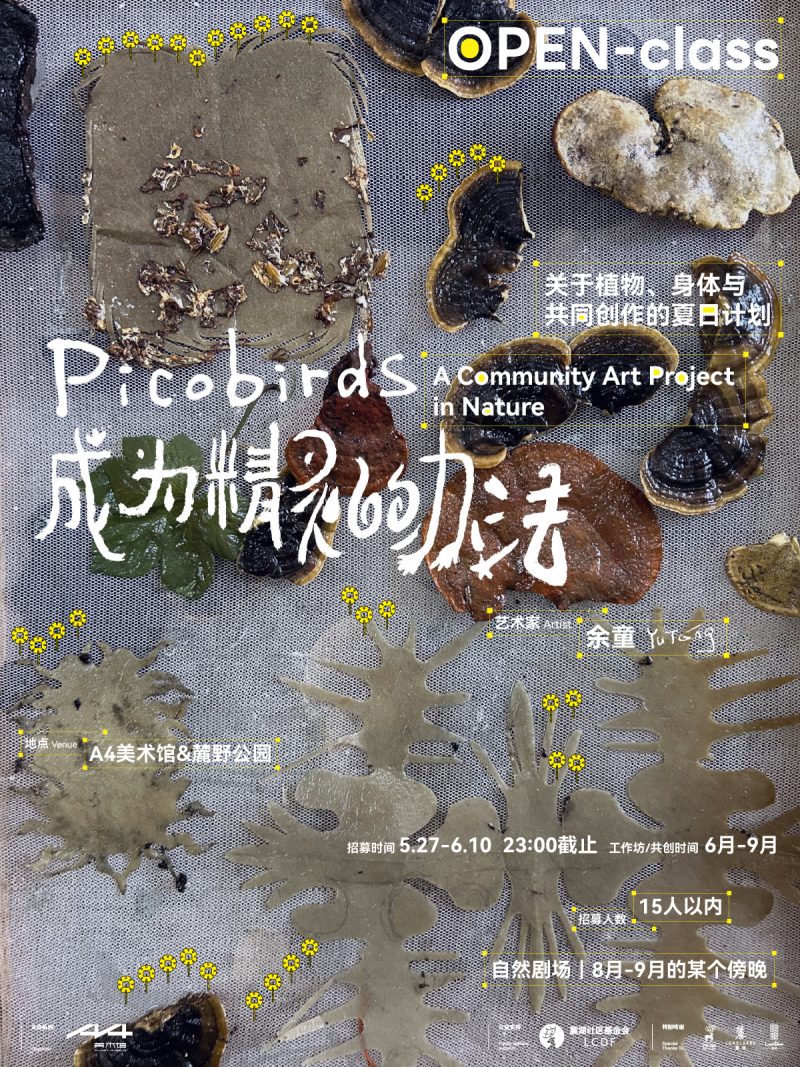
OPEN-class 2025 Public Education Project|All Creatures Great and Small

  • Project Duration
    2025.5 — 2026.3
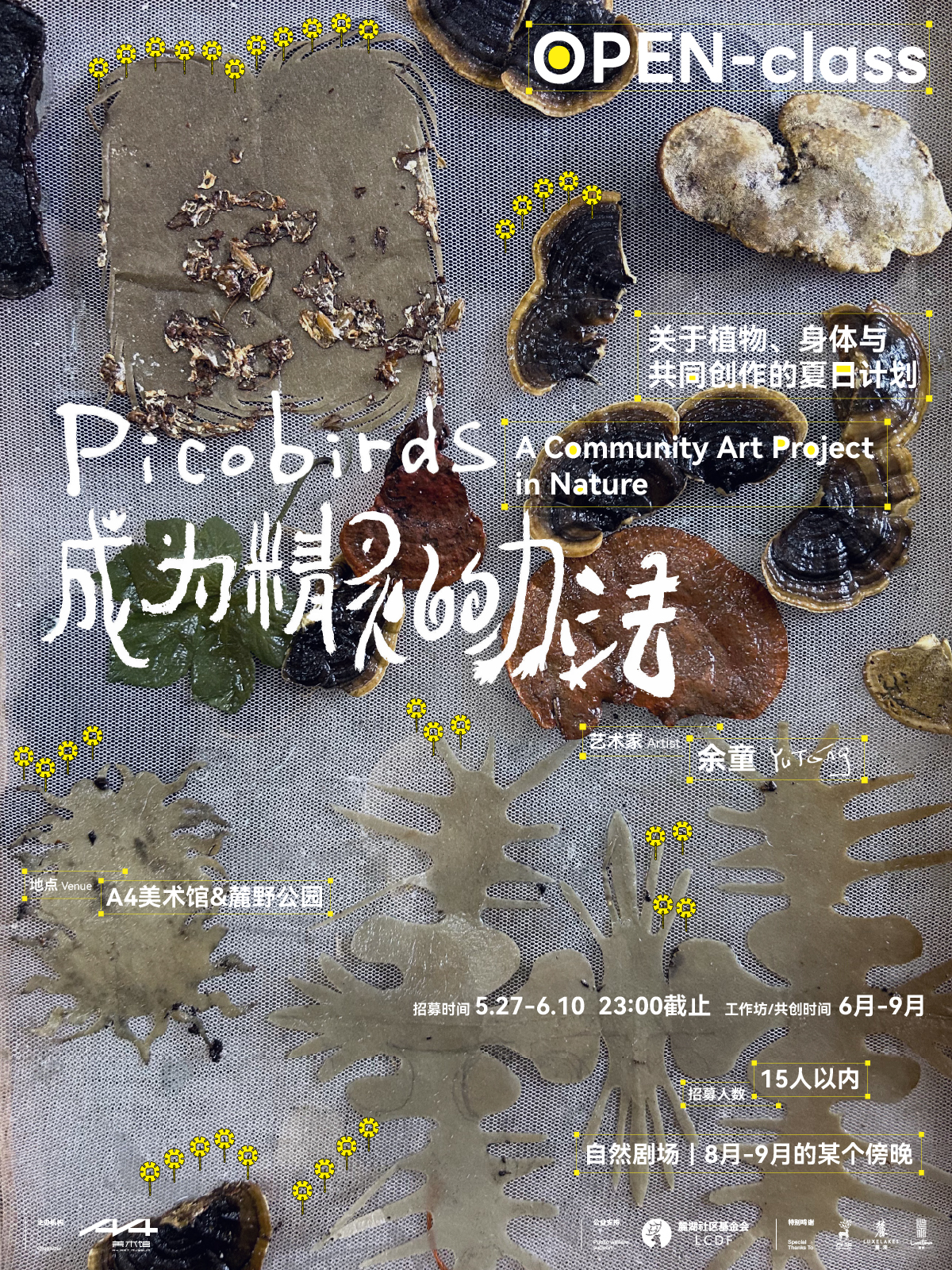
  • 招募报名
    公教助手小A微信:A4education
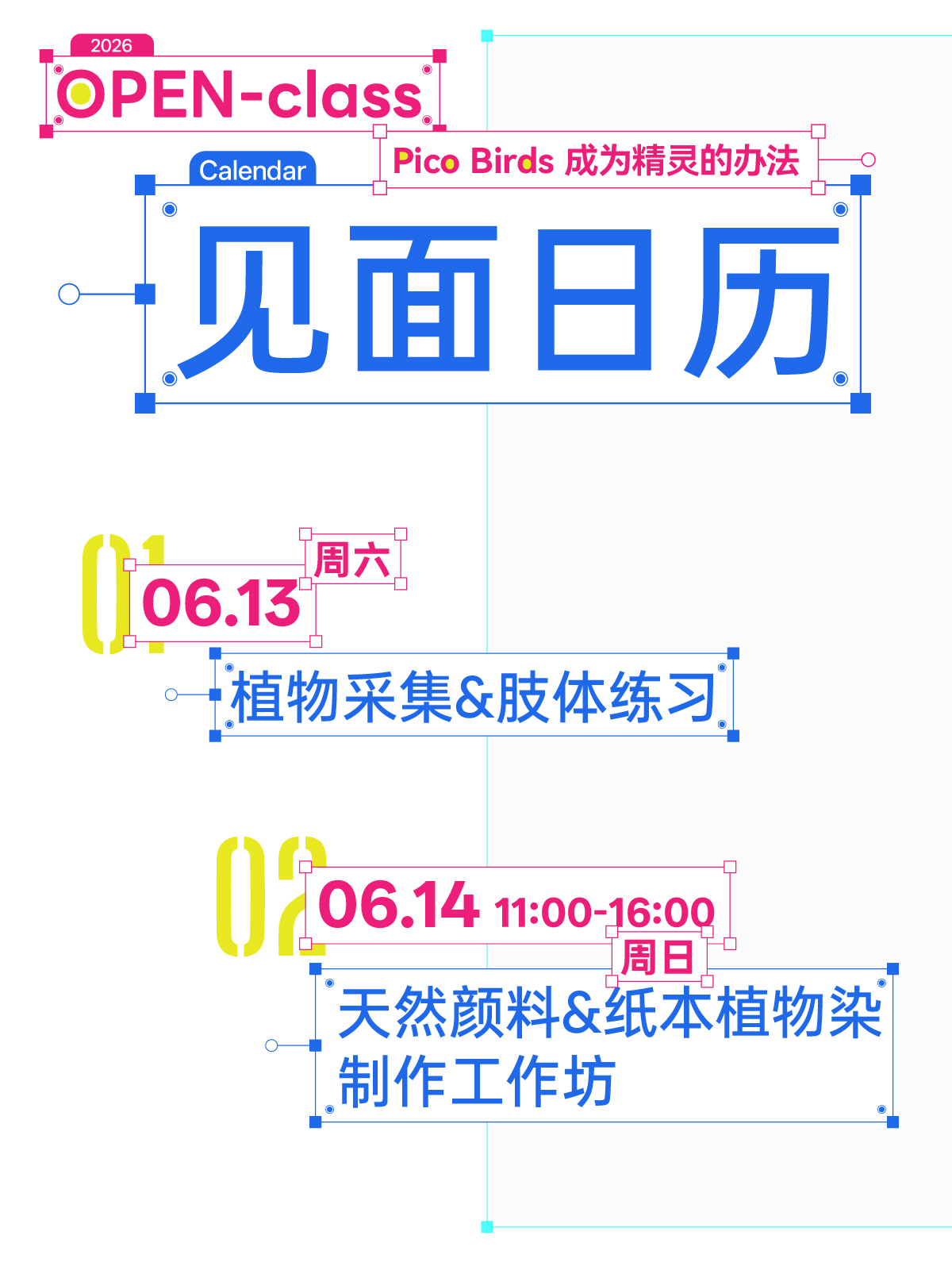
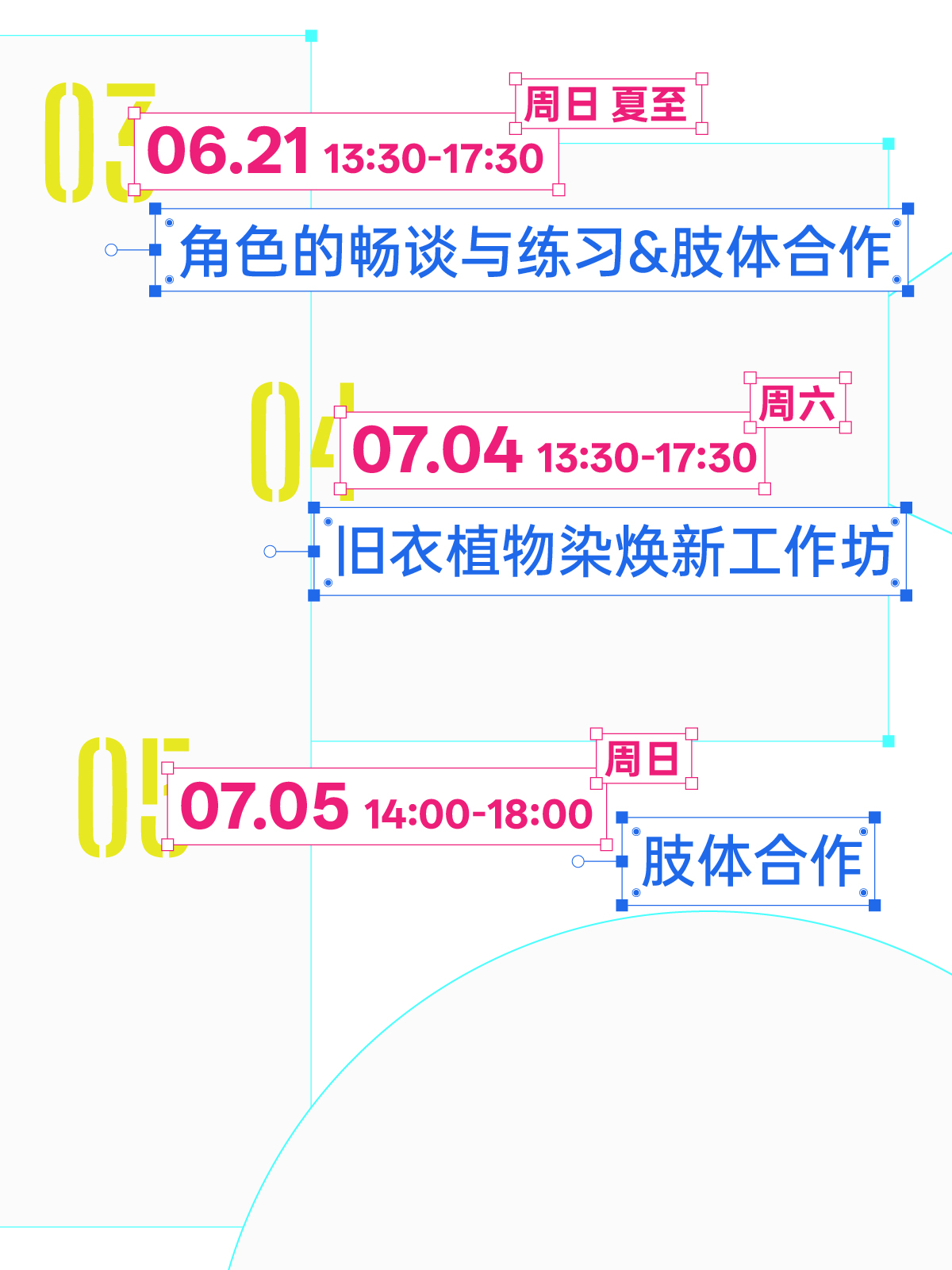
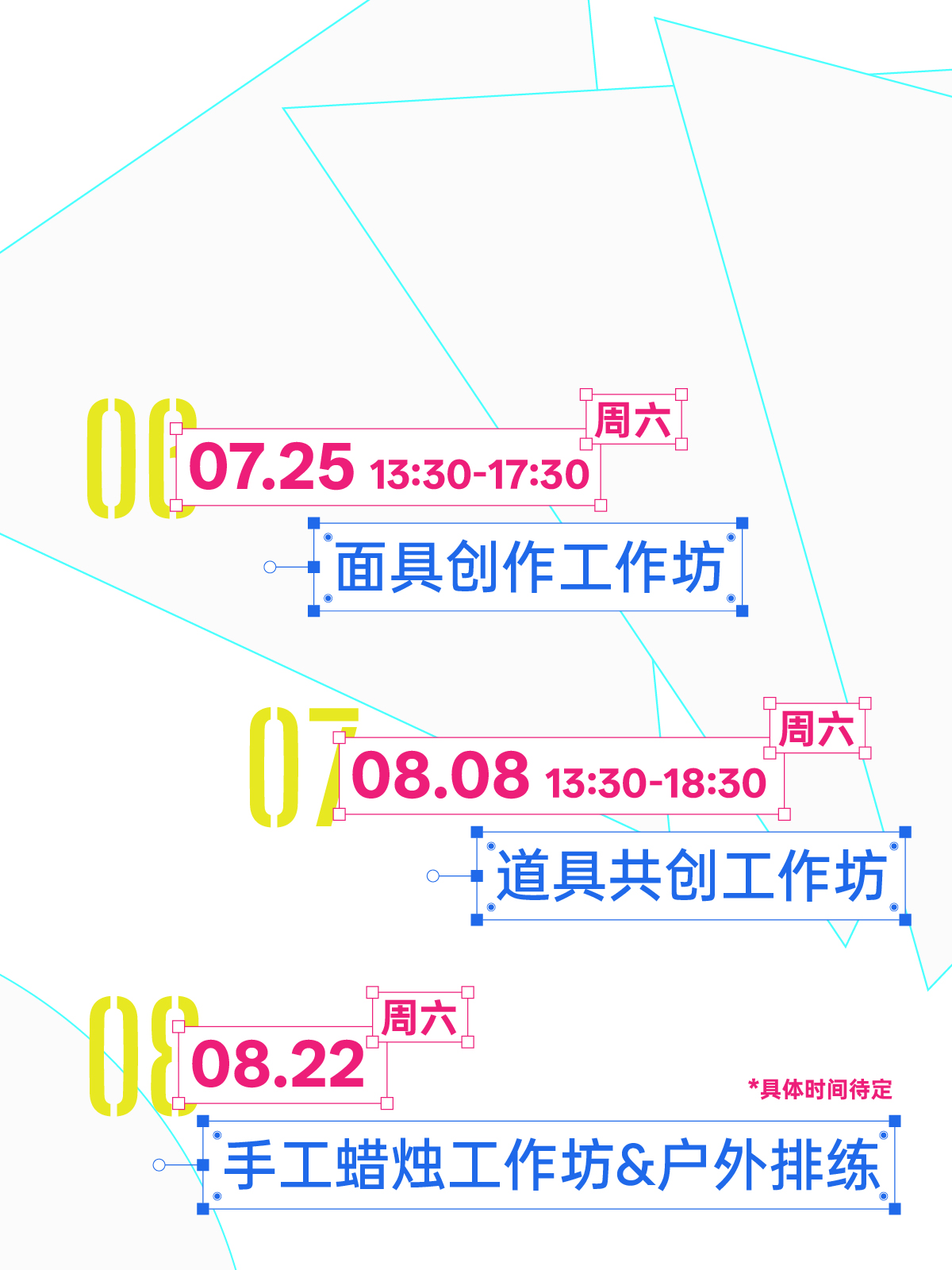
  • 工作坊/共创时间
    6月 — 9月
  • 地点
    A4美术馆&麓野公园
  • Project Curator
    TANG Yuting
  • Project Support
    WANG Wenzhe, GENG Mengze, HE Yanming, ZHANG Haoyue

Introduction

All Creatures Great and Small, James Herriot’s beloved meditation on life, reminds us that the most moving stories often emerge from the vital processes and fragile interconnections among living beings that humans so easily overlook. Fungi—microscopic yet extraordinarily resilient forms of life—thread themselves through all things. For billions of years, they have weathered rocks, decomposed waste, and continuously transformed and reshaped the conditions of life itself. In May 2025, OPEN-class initiated its annual public practice program on art and natural history under the theme All Creatures Great and Small.
Urbanization often resembles a vast mechanism of biological “selection”, through which humans assert dominance over every inch of urban space, prioritizing their own survival and ways of living. Yet how might cities appear from the perspectives of plants, animals, and other forms of life? In what ways are our lives entangled with theirs? What kind of city could truly sustain multispecies coexistence? And might it be possible for us—as part of a larger multispecies collective—to move toward plural futures and co-create diverse worlds together?
With these questions in mind, we are relaunching the Community Curator Program. Through this new cycle of public practice, we hope to bring together members of the public, artists, and researchers in ecology, natural history, and anthropology to participate in collective learning, field investigation, and action-based initiatives. Together, we seek to reflect, discuss, and respond to these questions through situated and tangible practices, while exploring how collaborations between art and science may inspire new forms of collective action.

  • PART 01 Community Curator Program

    The Community Curator Program revolves around two interconnected yet independent thematic strands: Plants, Animals, and Urban Memory and The Species Archive. Conceived as a curatorial experiment situated between artistic practice and the natural sciences, this initiative is not a speculative exercise confined to curatorial proposals, nor merely an art experiment staged within the museum. Rather, it seeks to establish concrete relationships with living beings, foster forms of interspecies collaboration, and enter into real ecological sites and conditions. Emphasizing both process and tangible outcomes, the program is envisioned as a practice-based mode of collective action.
    To support the work of the Community Curators, we will invite curators, artists, and researchers from ecology, natural history, and anthropology to contribute through field research, lectures, reading materials, archival resources, and interdisciplinary forms of knowledge exchange.


    Theme 01: Plants, Animals, and Urban Memory

    “The way a society deals with its plants tells us a lot about itself.”
                                                                                                                                          — Lois Weinberger

    Under the mechanistic logic of modern urbanization, a collective unconscious of “denaturalization” has gradually emerged. Nature has been reduced to scenery—standardized, functionalized, and aestheticized—while the city itself increasingly becomes a mechanized space. In this process, people slowly lose touch with the ecological realities and environmental histories of urban life, and living worlds recede into traces and ruins.
    Against this backdrop, we propose to trace urban memory through the narratives of plants and animals—to leap into a “vanished world”. By revisiting nonhuman species that have disappeared from the city and ecological landscapes that no longer exist, we may begin to hear a place speak again: through the fantastical journey of an otter, through the perspective of a bird, through stories embedded within more-than-human lives. These narratives open up new possibilities for perceiving the layered and plural realities of urban ecological life.
    On one side of Hexin Island along the Zhonghe River in Chengdu, wild otters were frequently sighted during the 1950s. According to the local historical account Walking Along the Margins of History: Zhonghechang, a fisherman known as Yang Yaoba once specialized in training otters for fishing. After approximately half a year of training, these remarkably intelligent animals became highly skilled fishing companions and were affectionately referred to by local fishermen as “fishing cats.” Yet with the destruction of local ecosystems and intensified human hunting in the decades that followed, otters have now all but disappeared from the area.
    The geographical focus of this curatorial research project on Plants, Animals, and Urban Memory will center on Chengdu, Sichuan.


    Theme 02: The Species Archive

    On a low hill west of Longquan Mountain, the landscape in 2001 was a mosaic of farmland, woodland, and scattered dwellings. By 2013, the area had become densely covered with trees and flourishing vegetation. As the surrounding environment continued to transform under rapid urban development, this site was eventually left behind as a residual wilderness beneath the city’s “grand landscape” projects. Today, it has been incorporated into the municipal Lùye Park, yet it continues to sustain bird species rarely found in ordinary urban parks, including the Fork-tailed Sunbird, the Chestnut-necklaced Partridge, and the Blue-winged Minla. Such “wild” terrains offer habitats and life narratives far richer than human imagination often allows.
    At the moment when this wilderness once again permits human entry, the establishment of a Species Archive becomes a way of affirming a shared present between humans and nonhuman beings. Within and beyond living systems themselves, traces of knowledge, memory, and lived experience continue to persist and seek transmission.
    In An Archive Without Archivists: Calling Out to You — The Rebirth of Humans and Elephants, Atsushi Matsumoto reflects on archival practice as something that should not remain confined to professional custodians alone. While building a visual archive around Hanako, an Asian elephant, Matsumoto reveals a dual perspective: “seeing humans through the elephant” and “seeing the elephant through humans.” Through this reciprocal gaze, the dynamic relationship between human culture and the natural world gradually emerges, raising a fundamental question: to whom does an archive truly belong?
    Inspired by this inquiry, we hope that the Species Archive, beginning with Lùye Park, can become a platform for articulating situated stories of coexistence and survival. From its very inception, the archive will continue to grow as a living record—one through which ecological wisdom and more-than-human forms of knowledge may once again become perceptible.
    Under this thematic framework, alongside the open call for Community Curators, we will also launch a parallel open call for Species Archivists.

    Research Site & Project Implementation: Lùye Park (The “wilderness hillside” referenced above has now been incorporated into the municipal Lùye Park. Special thanks to the Urban Biodiversity Co-Learning Group for providing ecological survey materials and research support related to this area.)


    Recruitment Details

    Timeline
    15th May, 2025 — 23rd May, 2025 (24:00)

    Target Applicants
    1. Community Curators: Not limited to professional curators or researchers. We welcome individuals who focus on cross-disciplinary collaboration between art and ecology, possess independent methods of exploration and research, and excel at working with the public.
    2. Species Archivists: Individuals capable of sustained observation and recording of local species, with a background in botany or relevant knowledge of local flora and fauna.

    Thematic Focus
    Theme 1: Emphasizes research, field investigation, interviews, and textual writing. Candidates should be adept at uncovering subtle clues within the dynamic relationship between human culture and nature, leaning heavily toward the creative interpretation of archival documents.
    Theme 2: Emphasizes public participation and the expression of local ecological narratives.

    Quota
    Community Curators: 4–5 curators per theme
    Species Archivists: 5–8 archivists

    Community Curator Task Package
    1. Select an Issue & Complete a Curatorial Proposal: Choose one of the two major themes to engage in sustained, deep exchanges with the museum team, project mentors, and fellow curatorial group members. Work collectively to complete preliminary research, site visits, curatorial concepts, content production, execution schedules, and artwork production plans.
    2. Complete the Spatial Design Layout: Develop and finalize the spatial layout based on the specific exhibition venue and content parameters.
    3. Collaborate with the Public on Shared Content: Formulate mechanisms for public participation and community collaboration.
    4. Final Presentation: Ensure the timely execution and presentation of the project outcomes within designated parameters.


    Project Lifecycle: May 2025 — Jan 2026

  • PART 02 Curatorial Lecture Series

    Vol.1 Curatorial Handbook: Day and Night Between Fiction, Cinema, and Reality
    Mentor: CUI Cancan
    Date: 1st June, 2025

    Vol.2 Travels Through Western Sichuan: A Naturalist Walking Through the Living World
    Mentor: WANG Zhao
    Date: 7th June, 2025

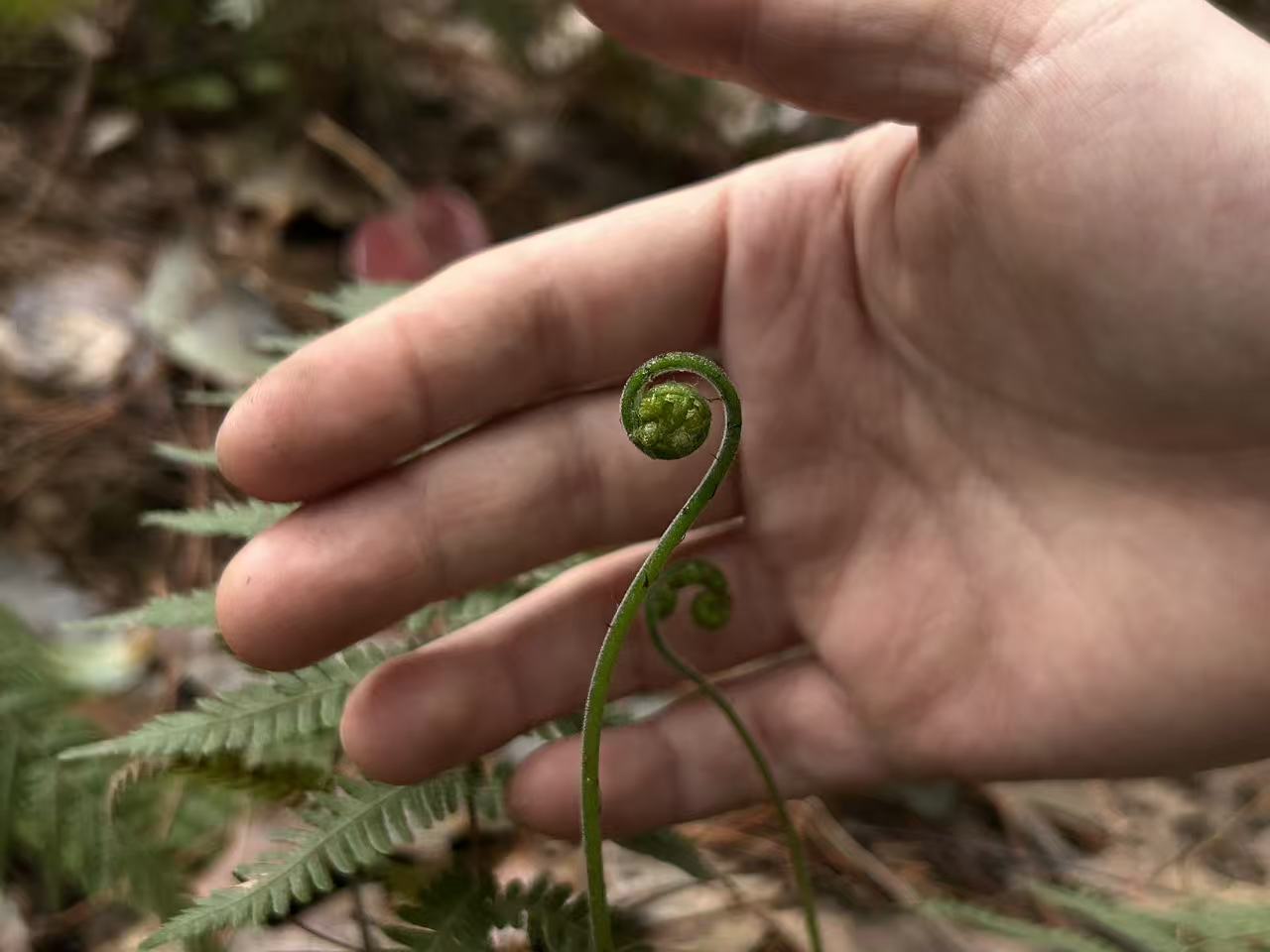
    Vol.3 Plant Descendants of the Dinosaur Age: Fern Exploration & Cyanotype Workshop
    Mentor: WANG Zhao
    Workshop Leader: TANG Yuting
    Date: 14th June, 2025

    Vol.4 Multispecies Care in the Context of Climate Change and the Reconstruction of Ethical Relations Between Human and Nonhuman Life
    Mentor: YUAN Changgeng
    Date: 29th June, 2025 (14:00)

    Vol.5 Spatial Design: Making the Everyday the Point of Departure for Narrative
    Guest Speaker: LEI lei / amass Studio
    Date: 16th August, 2025

  • PART 03 'Bird Diary' Artist Special Project

    There are many ways to come to know a place. Birdwatching opens yet another layer through which a landscape may gradually reveal itself. What kinds of birds might we encounter here? What grasses and wildflowers begin to draw our attention once we slow down and crouch closer to the ground? On which trees do birds feed, and what do they search for along the earth or beside muddy riverbanks?
    Through attentive observation—feeling seasonal shifts, sketching, writing, and recording—we begin to assemble a form of natural journaling grounded in lived experience. Beyond observing with the eyes, we also invite participants to listen: to attune themselves to the sounds of the more-than-human world. Even amid the dense foliage of midsummer, or while walking at night, birds may still be recognized through sound alone. To appreciate birds is not only to see them. Sound reminds us that, at this very moment, they inhabit this place alongside us. Vibrations travel through the air, creating fleeting yet tangible connections between species.
    Beginning from our immediate surroundings, we hope to approach Lùye Park as a kind of shared “private field” — a site for sustained observation and everyday ecological attention. Artist Hu will engage with the project through a temporary and recurring mode of residency, traveling between Hangzhou, where they currently live, and Chengdu, where a deeper process of local inquiry will unfold. Participants in Chengdu who are interested in birdwatching and nature observation are warmly invited to join this process collectively, contributing to the creation of a locally grounded archive of field observations, as well as experimental reinterpretations of sound and image.
    * Private field refers to a place one regularly returns to for birdwatching and long-term ecological observation. It may be a park, a village, a patch of farmland, or even a small garden beneath an office building. Through continuous observation and documentation, such a place gradually becomes more than a physical site—it becomes a living connection to the natural world.


    Artist Profile

    HU Qindi

    Based in Hangzhou, HU Qindi specializes in recording everyday landscapes across mediums such as paper, wood panels, copper plates, photographic paper, and yarn. Her past works are closely tied to the cities she inhabits, using walking as a thread to document the trees, plants, and animals present in daily life. Since birdwatching became an essential part of her life, avian themes have permeated her daily creations, expanding her geographical documentations based on the presence of different birds in various locales.
    Binoculars and audio recorders serve as extensions of her vision and hearing, capturing the moments of encounter with other living entities. She renders the forms, contours, voices, and habitats of birds through sketches, printmaking on paper, and installations.


    Project Recruitment

    Target Participants
    Anyone with a keen interest in birdwatching and nature observation.

    Engagement Requirements
    As this is a short-term artist residency project, we expect participating members to ‘reside’ with us online, maintaining consistent engagement and action to collectively complete a local observation archive. Participants who successfully complete their observation logs will receive a special reward (along with a full refund of the workshop fee)!

    Offline Base: Chengdu & Lùye Park


    Phased Schedule

    Phase 1 Schedule:

    15th May — 23rd May (24:00): Recruitment for the artist’s birdwatching group to assemble local nature observation enthusiasts into an online collective.

    20th May — June: Avian observations (resident birds and spring migration) in both Chengdu and Hangzhou. Participants will record bird data and regularly exchange intercity findings within the online group.

    28th June: Artist Co-creation Workshop. Participants will join the artist’s alcohol print workshop to co-create a localized observation archive based on their routine nature logs and trail walks in Luye Park.

    Phase 2 Schedule:

    July — September: Natural Collection: Local Summer Visitors and the Prelude to Autumn Migration. Field audio recording, specimen collection, sharing sessions, and bird literature exchanges.

    October: Artist Creative Workshop. Re-creation of soundscapes and images, sound poetry, and experimental performances.