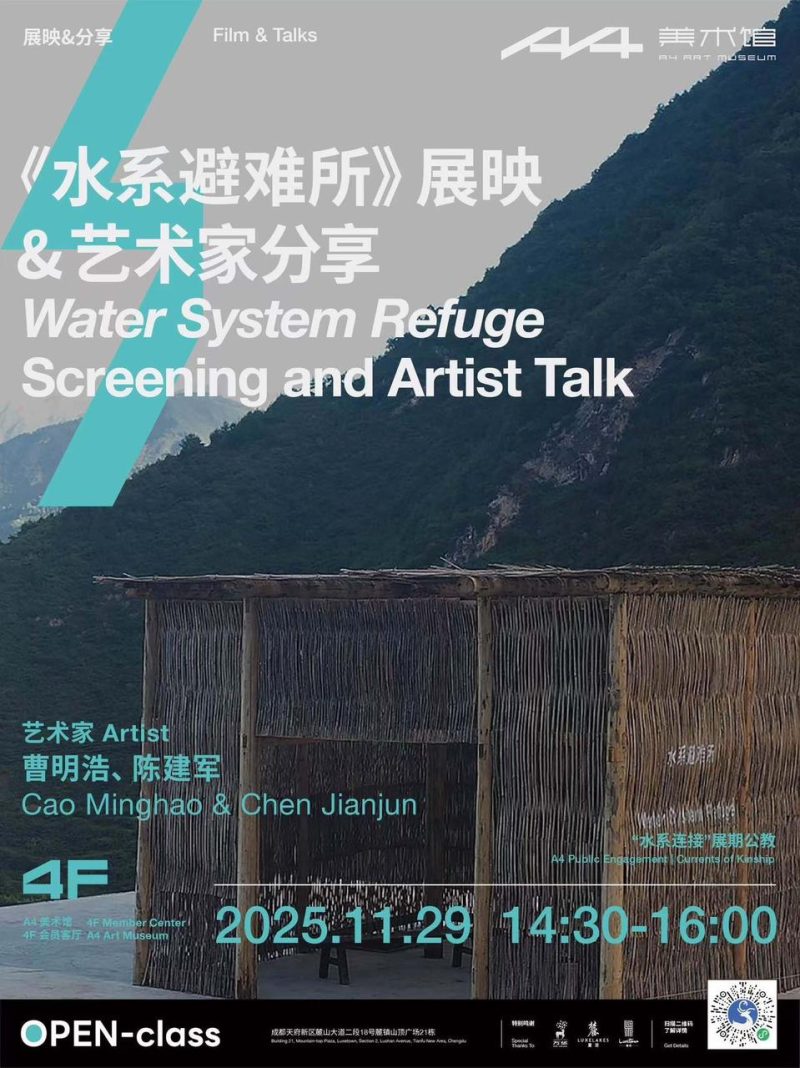
The artists are set to reveal the intricate connections formed between diverse species and traditional wisdom, opening up ecological conservation perspectives that transcend contemporary limitations.
During this exhibition, the OPEN-class will launch the ‘Practising with Nature’ artist screening programme. This initiative focuses on repeated ‘practices’ of collaborative survival between human and non-human life, centred upon actions and reflections that move beyond anthropocentrism. Originating from various geographies, artists immerse themselves in ecological sites through physical action and engage with social scenes through deep research. Their work reveals microscopic links between life forms, addresses the reduction of species to mere symbols, and highlights the plight of marginalised non-human entities.
‘Practice’ thus becomes a dialogue with all living things—a process of perceiving diverse ecological wisdom and an attempt at interspecies coordination. These narratives, set within specific temporal and spatial frameworks, are intrinsically connected to the wider world of all beings. As these issues cannot be easily simplified, art serves as an alternative pathway to explore and imagine multiple worlds.
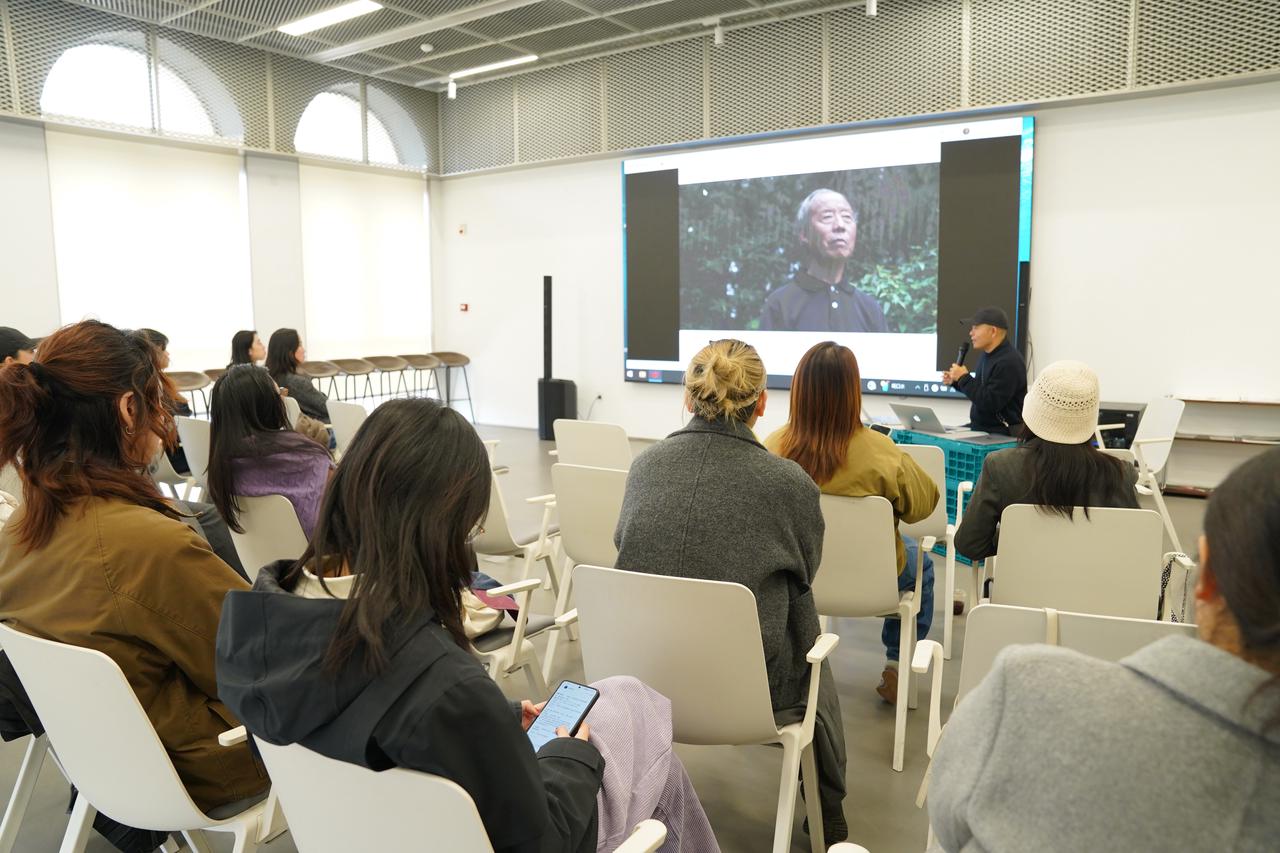
CAO Minghao and CHEN Jianjun are engaged in ongoing artistic research into the water source regions of the Qinghai-Tibet Plateau, the Min River, and Dujiangyan—a gravity-fed irrigation system established in Sichuan, China, over 2,200 years ago. In their work Water System Refuge, the artists collaborate with the Qiang community, who are developing an ever-evolving village museum to protect their knowledge and traditions. By partnering with residents and researchers, Cao and Chen interweave themes of landscape, livelihoods, climate change, and the creation of alternative futures through small-scale actions.
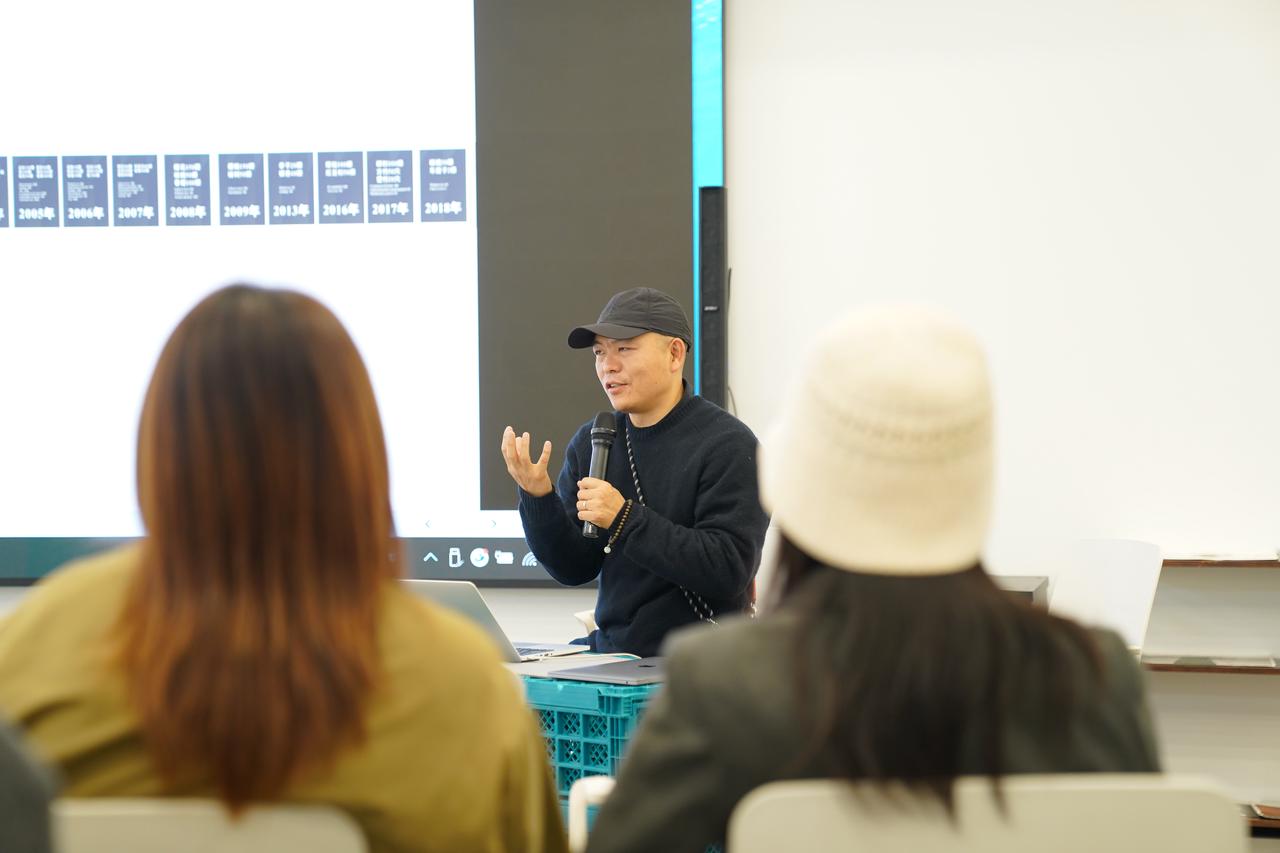
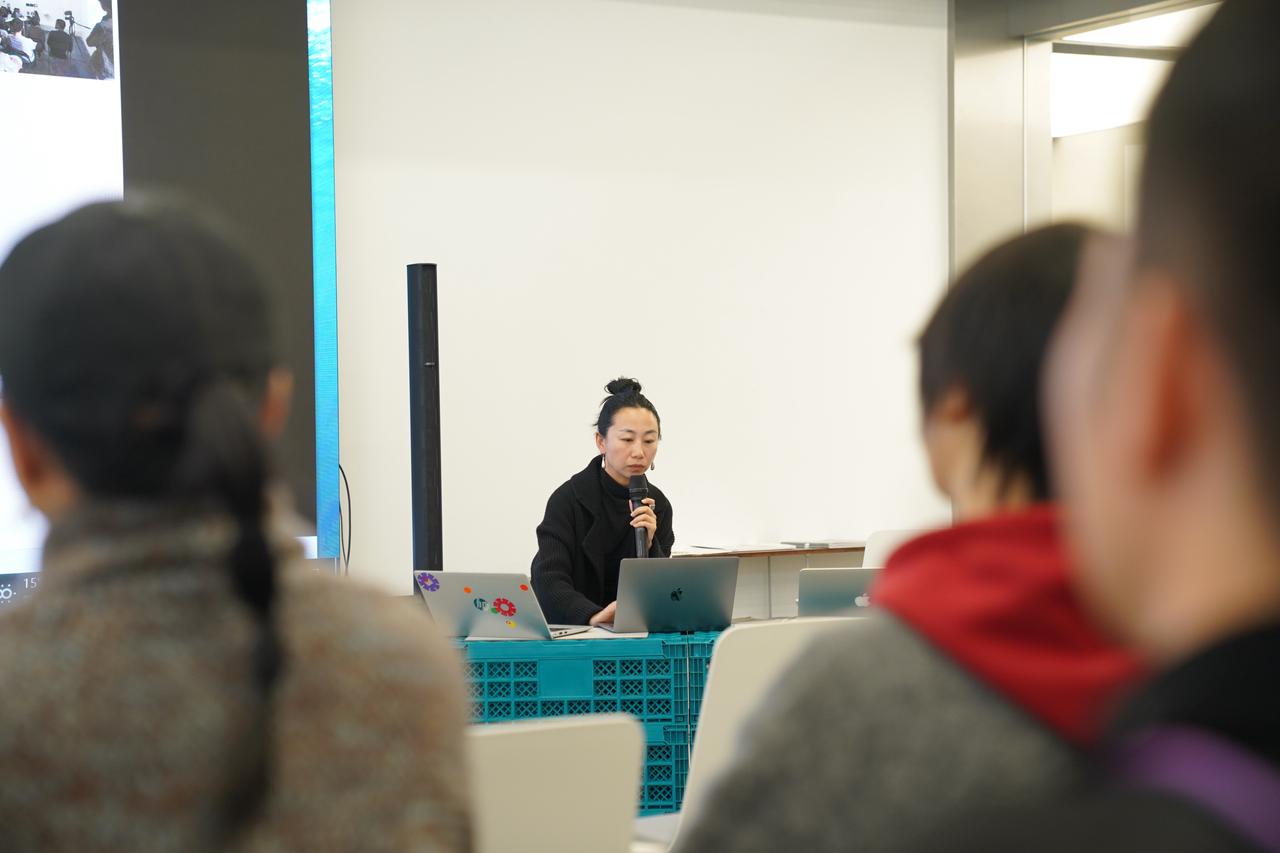
Additionally, they examine the impacts of government policies and reconstruction following the 2008 Sichuan earthquake. After the screening, the two artists will share how their research and creative practice have unfolded over the ten-year journey of the ‘Water System Project’ since its inception in 2015.