A4 Art Museum
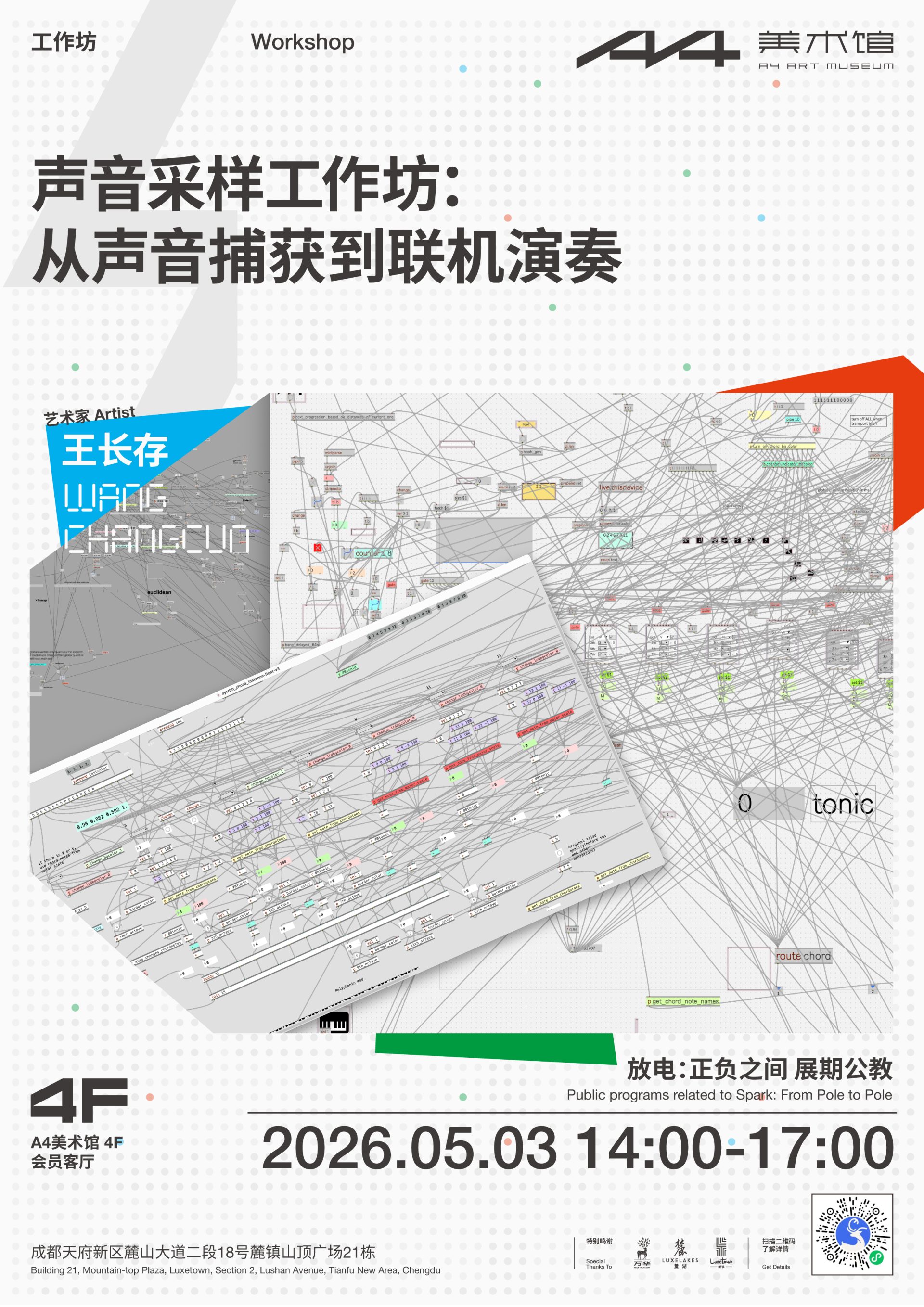
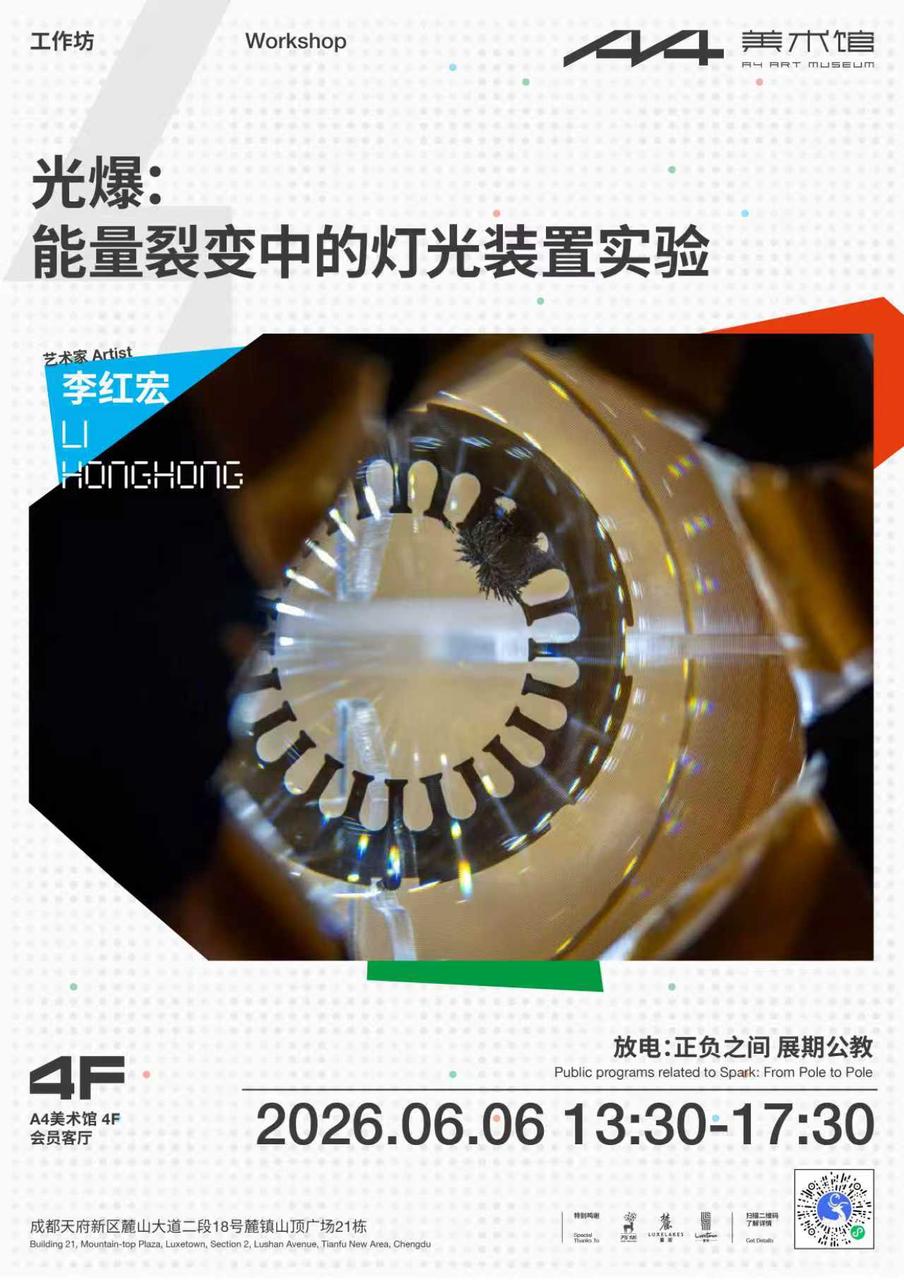
02 May 2026
14:00-17:00

A4 Art Museum
Building 21, Luxetown Mountaintop Plaza, No,18 Lushan Avenue Section 2, Shuangliu District, Chengdu, Sichuan, China
Tel: 86(028)85761265
Email: a4office@a4am.cn
A4X Art Center
Luxelakes Eco Art Center, Shuangliu District, Chengdu, Sichuan, China
A4 Kids Space
Luxelakes Eco Art Center, Shuangliu District, Chengdu, Sichuan, China
A4 Residency
Building 1, Unit 1, 11th Floor, Luxezone, Luxelakes Eco-City, Tianfu New Area, Chengdu, China
Tel: 86(028)85761810
Email: a4residency@a4am.cn
Tuesday to Sunday, 10:00AM to 6:00PM (last entry at 5:30PM)
Closed on Monday (except during the Spring Festival, open on public holidays)
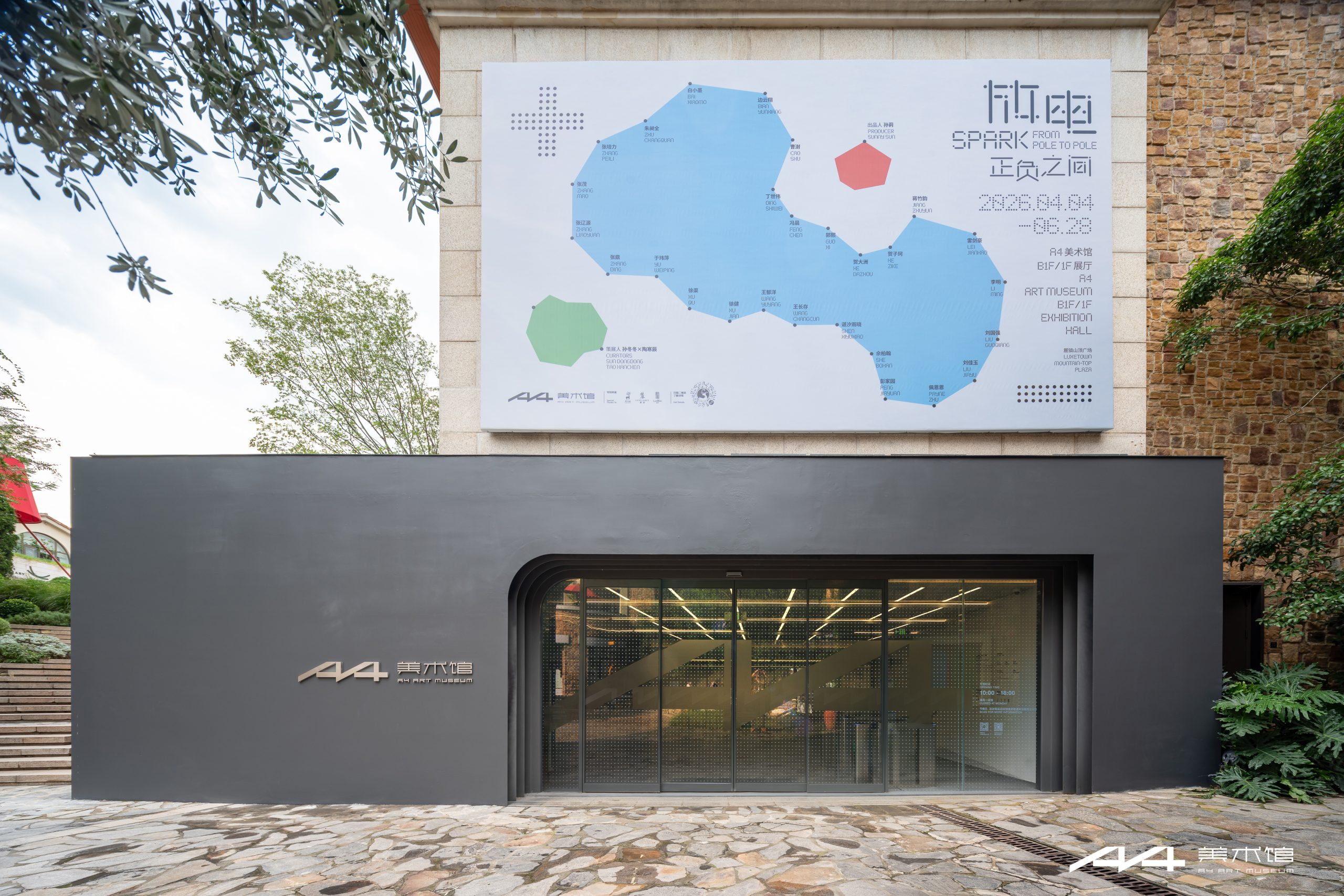
Just as the atmospheric discharge between cloud and earth—lightning—miraculously ignited the fire of human civilization, every spark of human thought is itself an intracranial lightning: a pulse of neuronal discharge across synapses. In that instant, a flicker of consciousness may illuminate a passage to a new continent of the mind. For us, then, the spark has never been merely a release of energy; it harbors the potential for creative breakthroughs and signifies the fluidity and reconstruction of boundaries.
We celebrate the creative energy unleashed when boundaries are breached, even as we mourn the certainties that vanish in the spark. Now, as a technological leap brings us to the precipice of artificial intelligence, warnings of an “intellect crisis” remind us that, set against the macroscopic backdrop of nature—the cosmos—both the grand narrative of human civilization and the minute “liminal breakthroughs” of individual life share a fundamental principle. We are all components of a circuit: whether as electrodes or as dielectric, forever liable to be illuminated by lightning at the critical point.
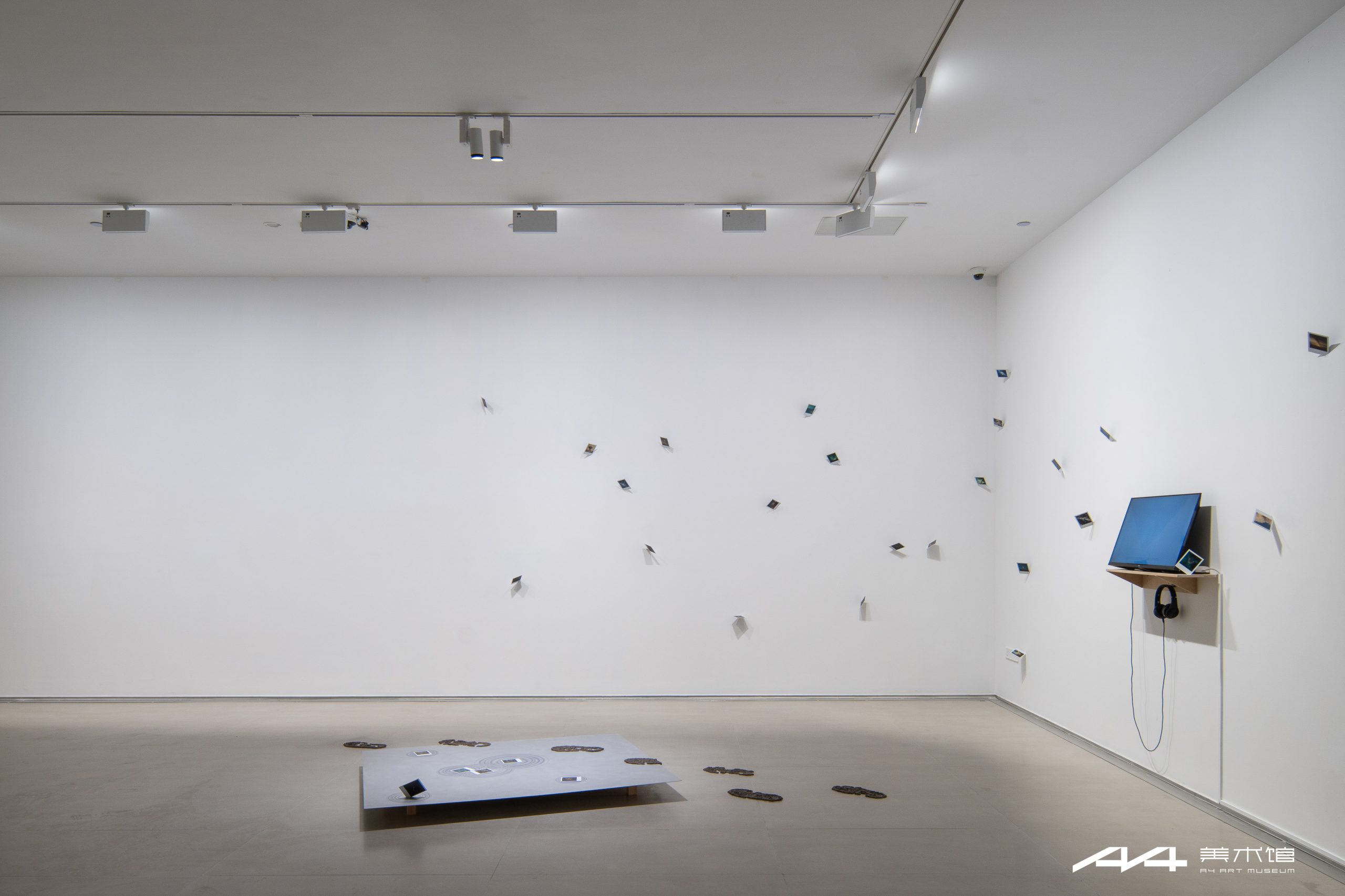
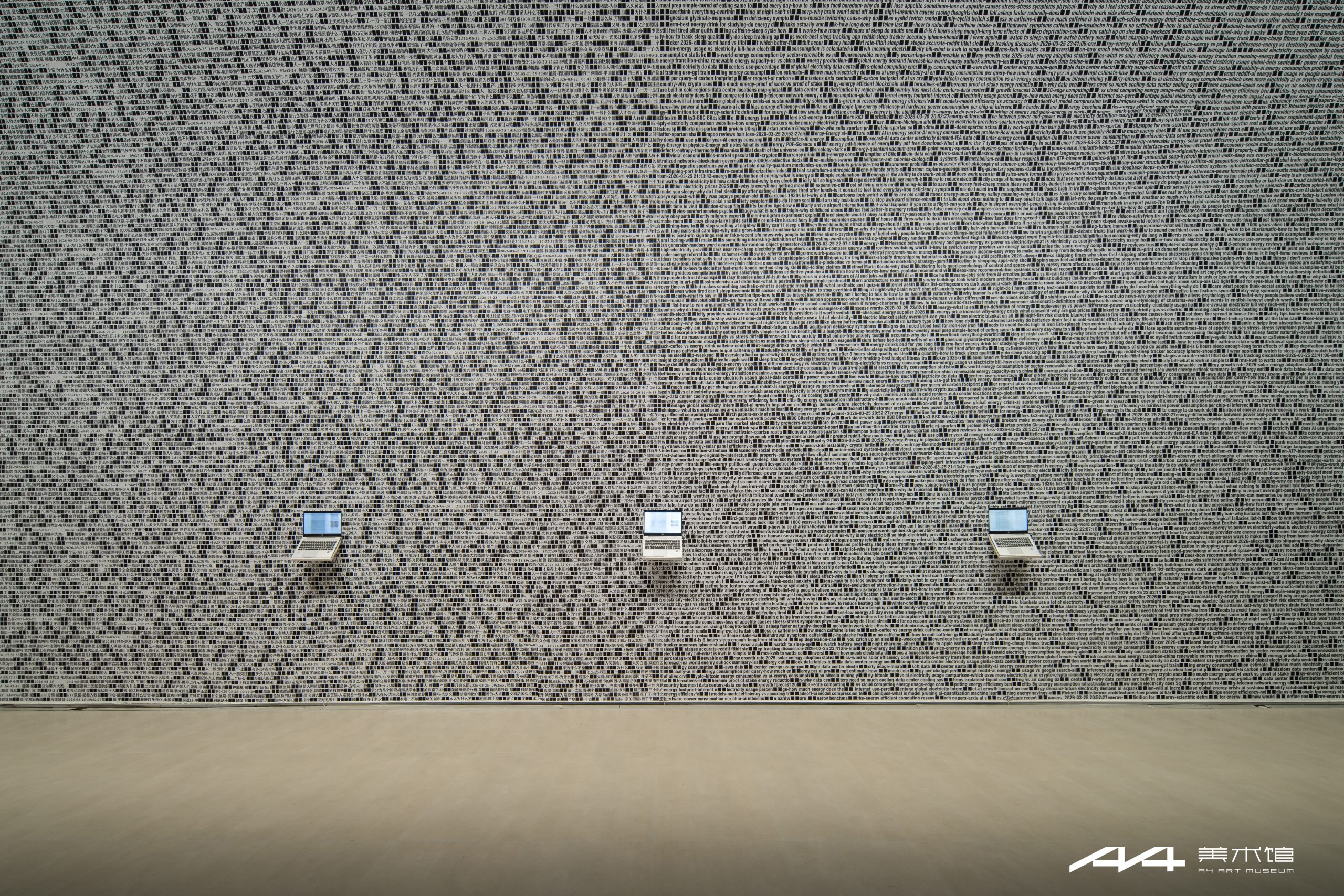
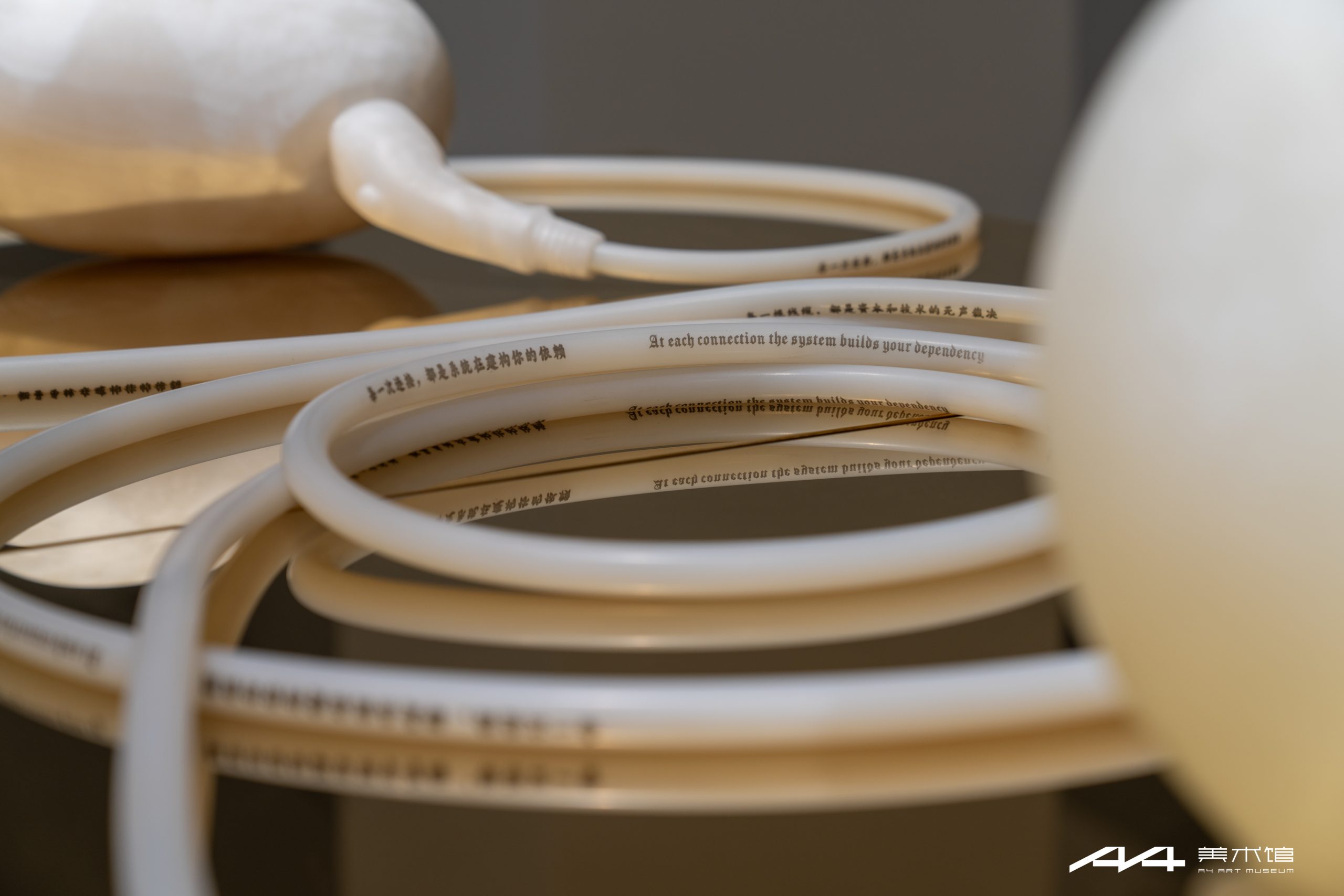
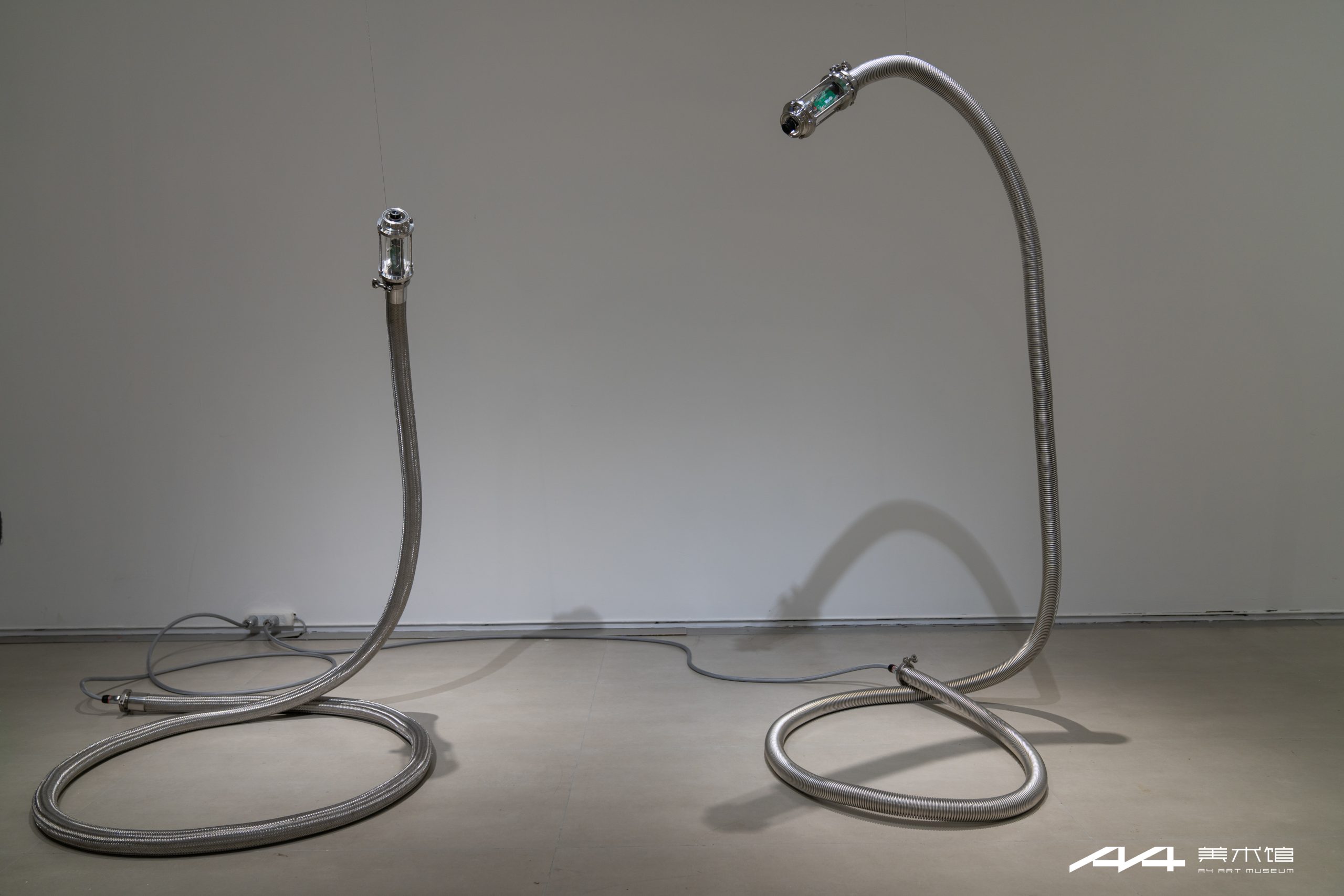
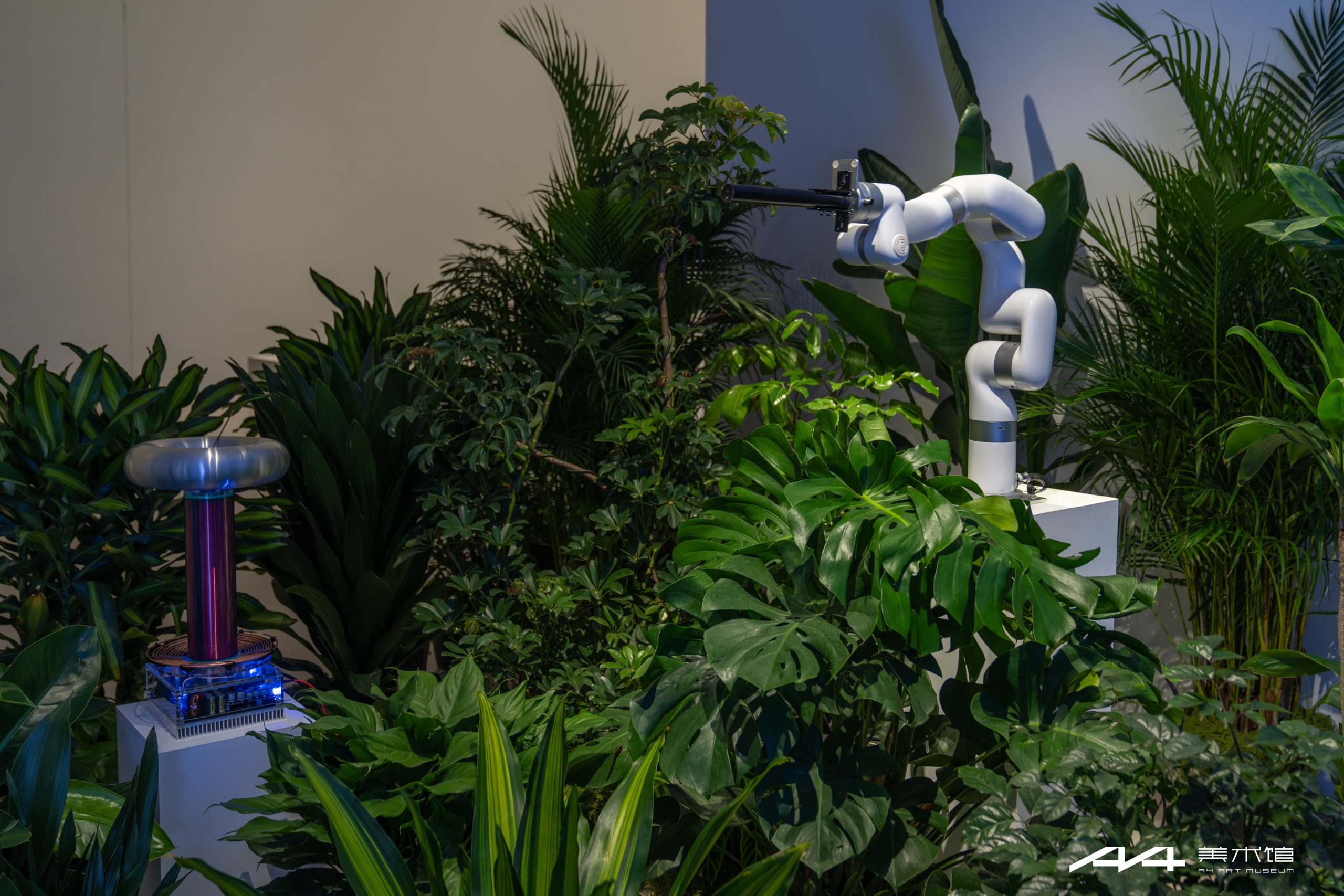
“Spark: From Pole to Pole” begins with a common physical phenomenon. Drawing on five essential characteristics of electrical discharge—phase difference, energy accumulation, threshold, boundary, its dual nature of creation and destruction, and systemic change—the exhibition employs these as points of entry for its narrative and presentation. It seeks to amplify spark from a physical phenomenon into a metalanguage for understanding our contemporary technological era, media art, and, by extension, the trajectory of human civilization itself.
In a sense, the very essence of the technocene is the universalization of discharge phenomena and mechanisms. We live amidst various fields where “potential differences” are continually generated: between the real and the virtual, the human and the machine, the individual and the web of human connections , biological intelligence and artificial intelligence. The energy accumulated through these differences has not only shaped the history of media technology but is also reflected in the diverse concepts and works within media art.
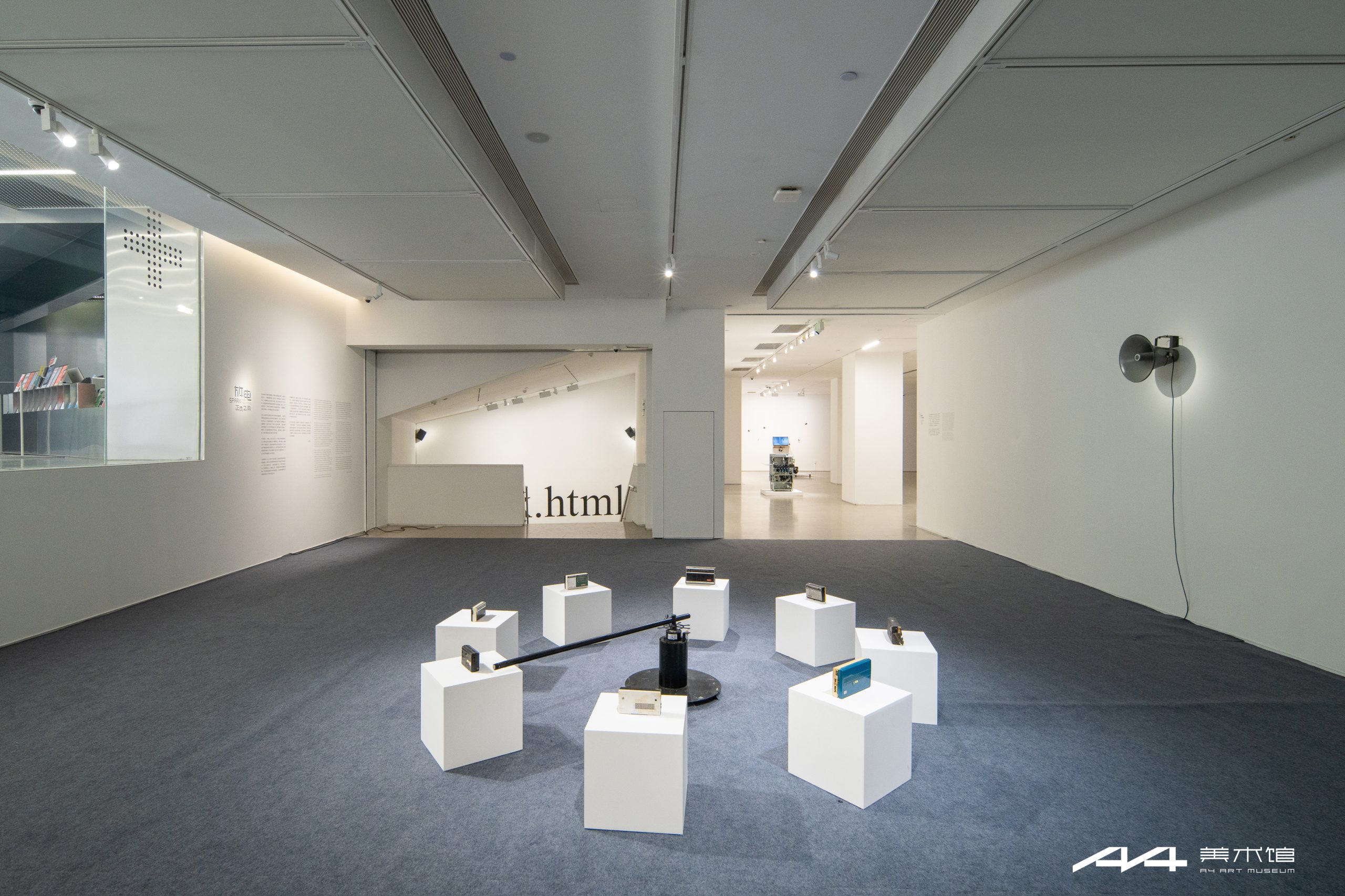
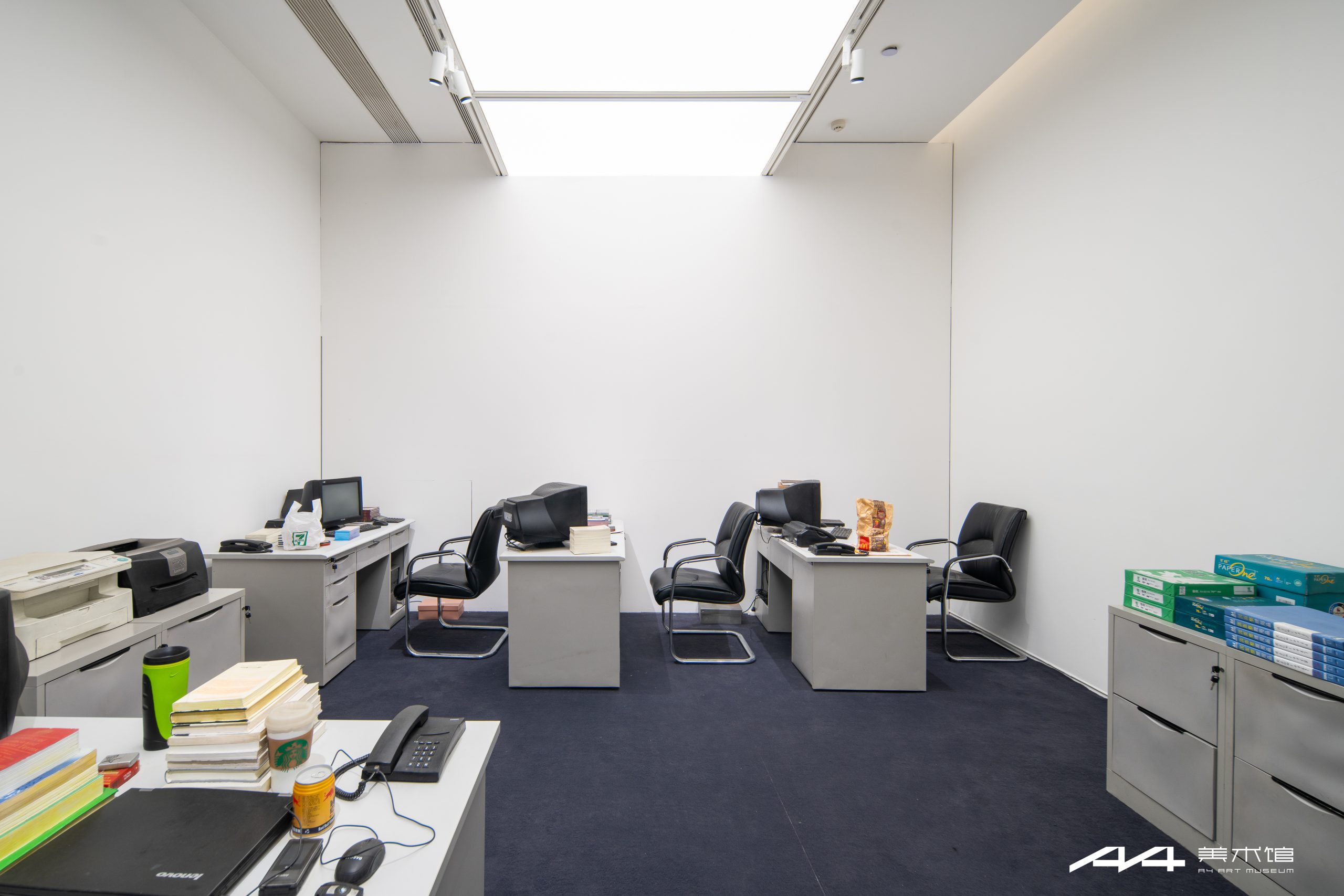
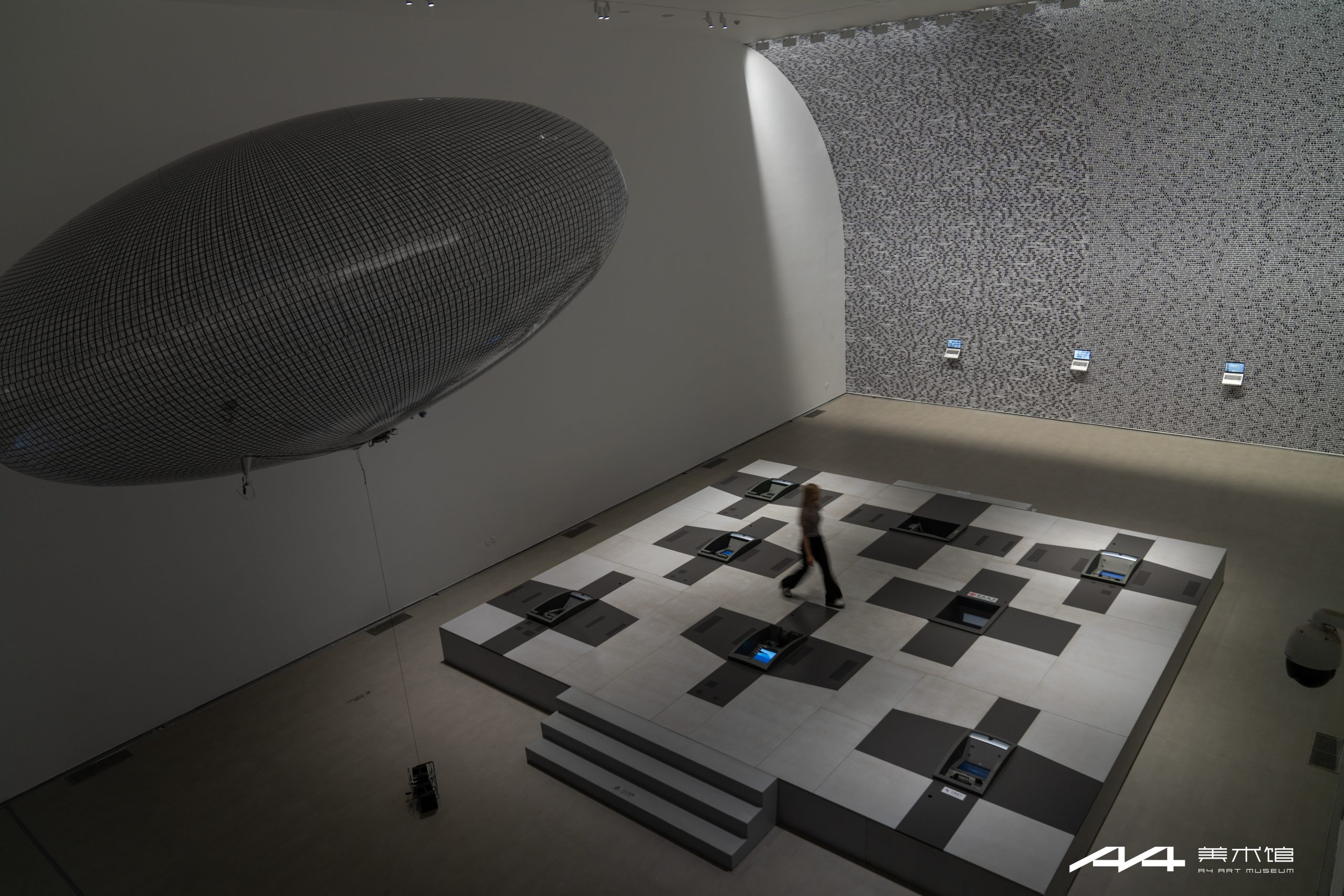
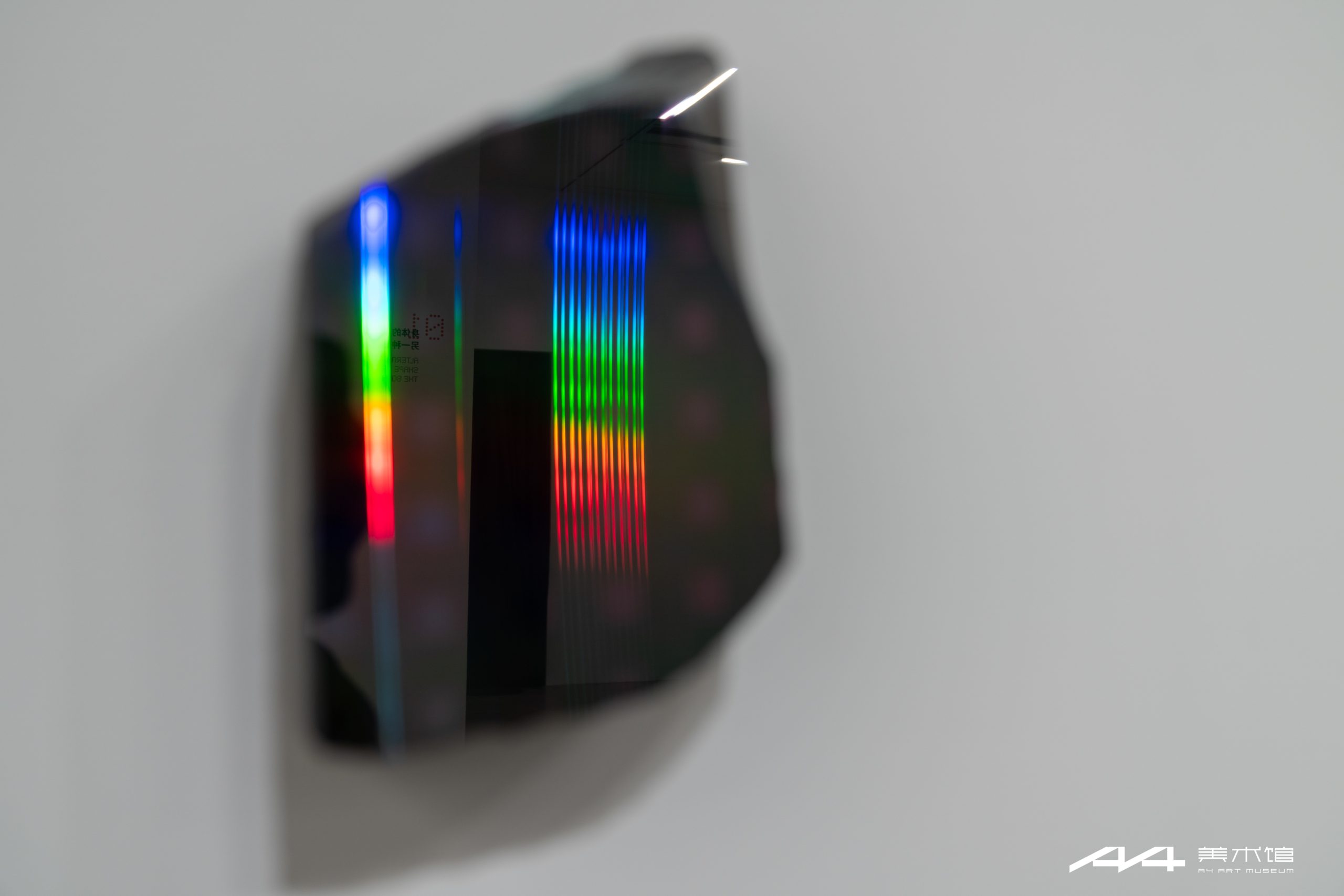
The exhibition unfolds across three chapters, corresponding to the gallery spaces. Chapter One, “Alternative Shape of the Body,” departs from Marshall McLuhan’s seminal idea that “Understanding Media: The Extensions of Man.” By describing the prosthetic nature of media (technological objects), it presents, from a human perspective, the condition of our mutual shaping with technology. Chapter Two, “From Silence to Gaze,” situated at the critical juncture of artificial intelligence, adopts the perspective of media as “autopoietic” entities. It charts the displacement of media from silent tools to an other who gazes back at the human. Finally, Chapter Three, “The Metamorphosis of Systems,” confronts the societal empathy surrounding the “intelligence crisis,” revealing the structural tensions between systems and their environments.
For the audience, if one phrase could summarize, this exhibition is a “controlled short circuit”—it aims to provide a perspective: all insulators are temporary, all boundaries accumulate voltage, and all calm may be but the prelude to a spark. The significance of art lies in kindling a spark ahead of those preludes, allowing us to glimpse that glowing seam between the poles.
——Sun Dongdong
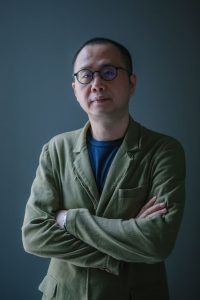
Sun Dongdong
Born in 1977 in Nanjing, he is dedicated to the critical writing and exhibition curation of Chinese contemporary art, with a primary focus on the development of Chinese contemporary art and new media art in the “post-Olympics era,” as well as the systemic construction of Chinese contemporary art. He has curated exhibitions for prominent domestic art institutions such as the UCCA Center for Contemporary Art, Guangdong Times Museum, A4 Art Museum in Chengdu, He Art Museum in Shunde, and “Art Changsha.” He also served as the assistant curator of the China Pavilion at the 59th La Biennale di Venezia. Sun currently lives and works in Beijing.
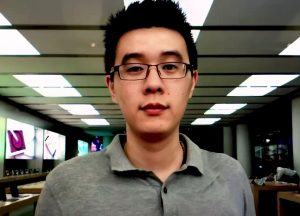
Tao Hanchen
Curator, lives and works in Shanghai. Tao received his bachelor’s and master’s degrees in Art History and Contemporary Art Curation and Management from the China Academy of Art. Over the years, he has dedicated himself to the curation and research of Chinese contemporary art, particularly media art, as well as the operation and management of contemporary art institutions. He previously served as the Executive Director and Curator at the OCAT Shanghai, where he curated a series of professionally influential exhibitions and public art projects.